Timeline
Research milestones, hardware generations, model releases, industry build-outs and policy turns: with links into the records they concern.
1943–1989 · Foundations
A logician and a neurophysiologist show networks of simplified neurons can compute logic: the founding abstraction.
'Computing Machinery and Intelligence' reframes 'can machines think?' as a testable question.
McCarthy, Minsky, Shannon and colleagues coin 'artificial intelligence' and set its agenda.
The first trainable neural network hardware; the Navy predicts thinking machines. The hype-and-winter cycle begins.
A proof of single-layer limits helps freeze neural-network funding for a decade: the first AI winter's seed.
Rumelhart, Hinton and Williams show multi-layer networks can learn internal representations.
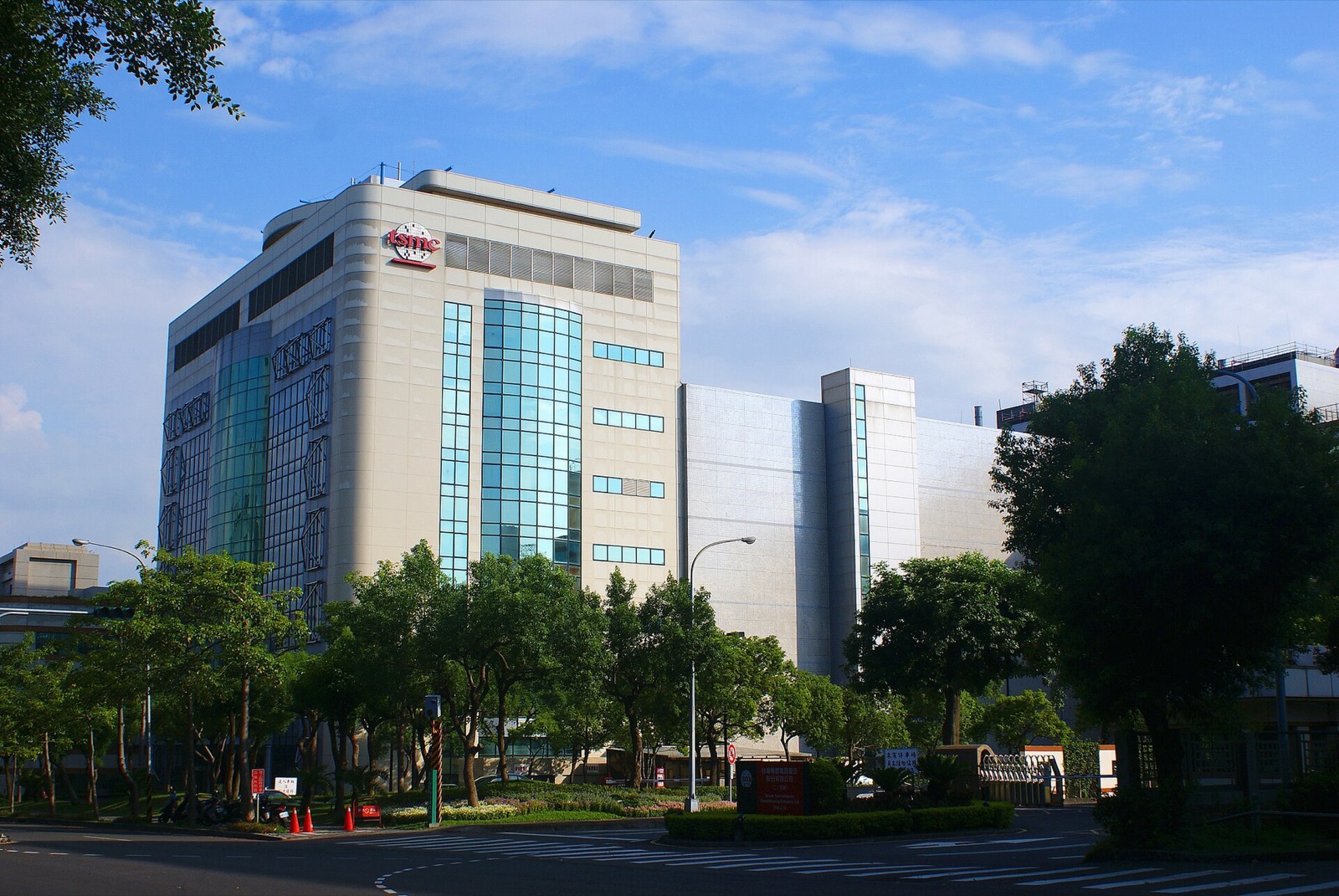
Morris Chang invents the pure-play foundry: manufacture for everyone, compete with no one.
Convolutional networks deployed on US mail: deep learning's first industrial success.
1990–2011 · The long ramp
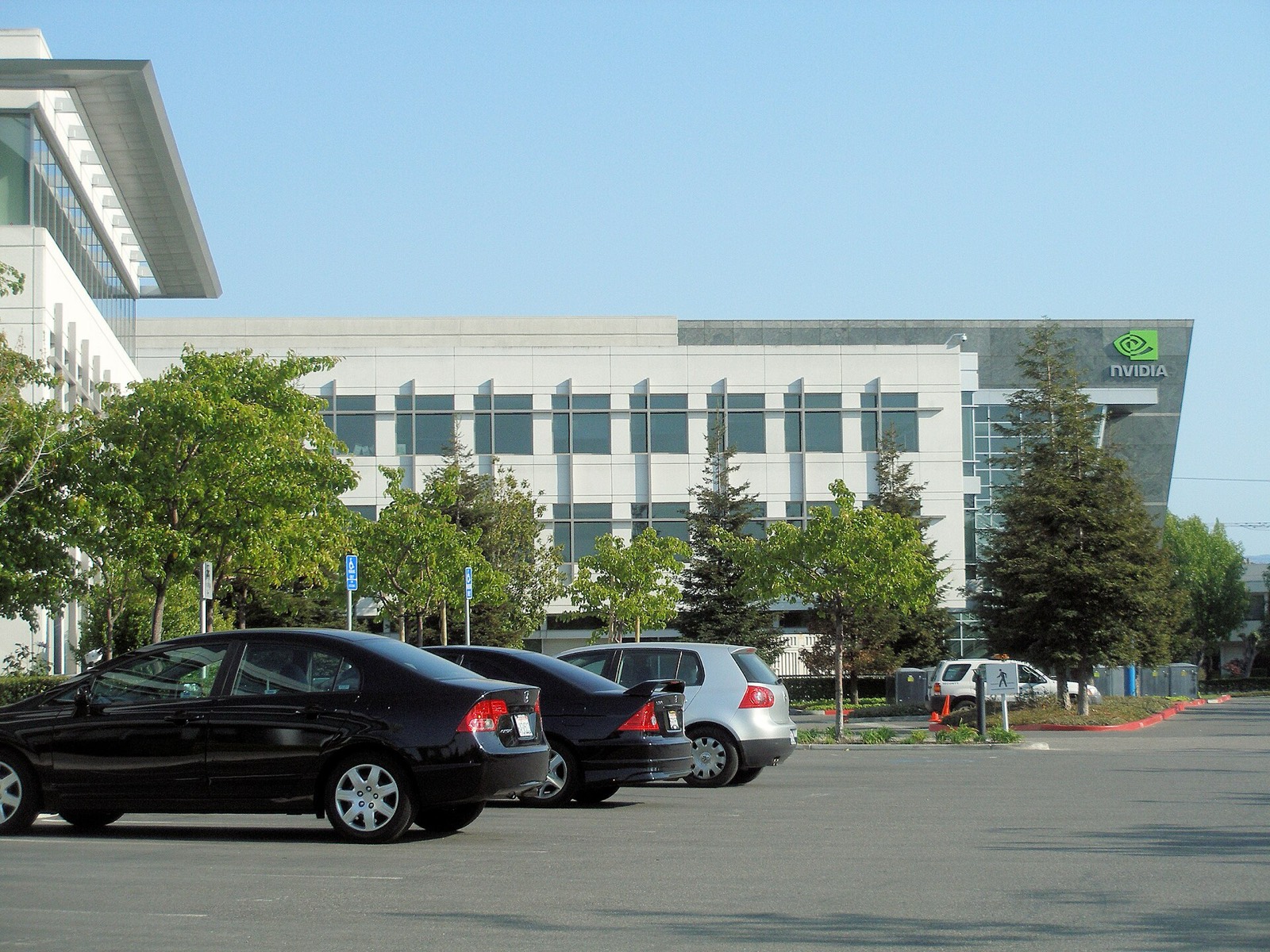
Jensen Huang, Chris Malachowsky and Curtis Priem start a graphics-chip company at a Denny's.
Brute-force search takes chess; the win is narrow but the symbolism is not.
NVIDIA opens its GPUs to general computation: the platform deep learning will land on.
Fei-Fei Li's 14-million-image dataset bets that data is the bottleneck.
2012–2016 · Deep learning works
Two consumer GPUs halve the error rate. Deep learning's era, and NVIDIA's second act, begins.
Goodfellow's adversarial networks and Google's sequence-to-sequence models open generation and translation.
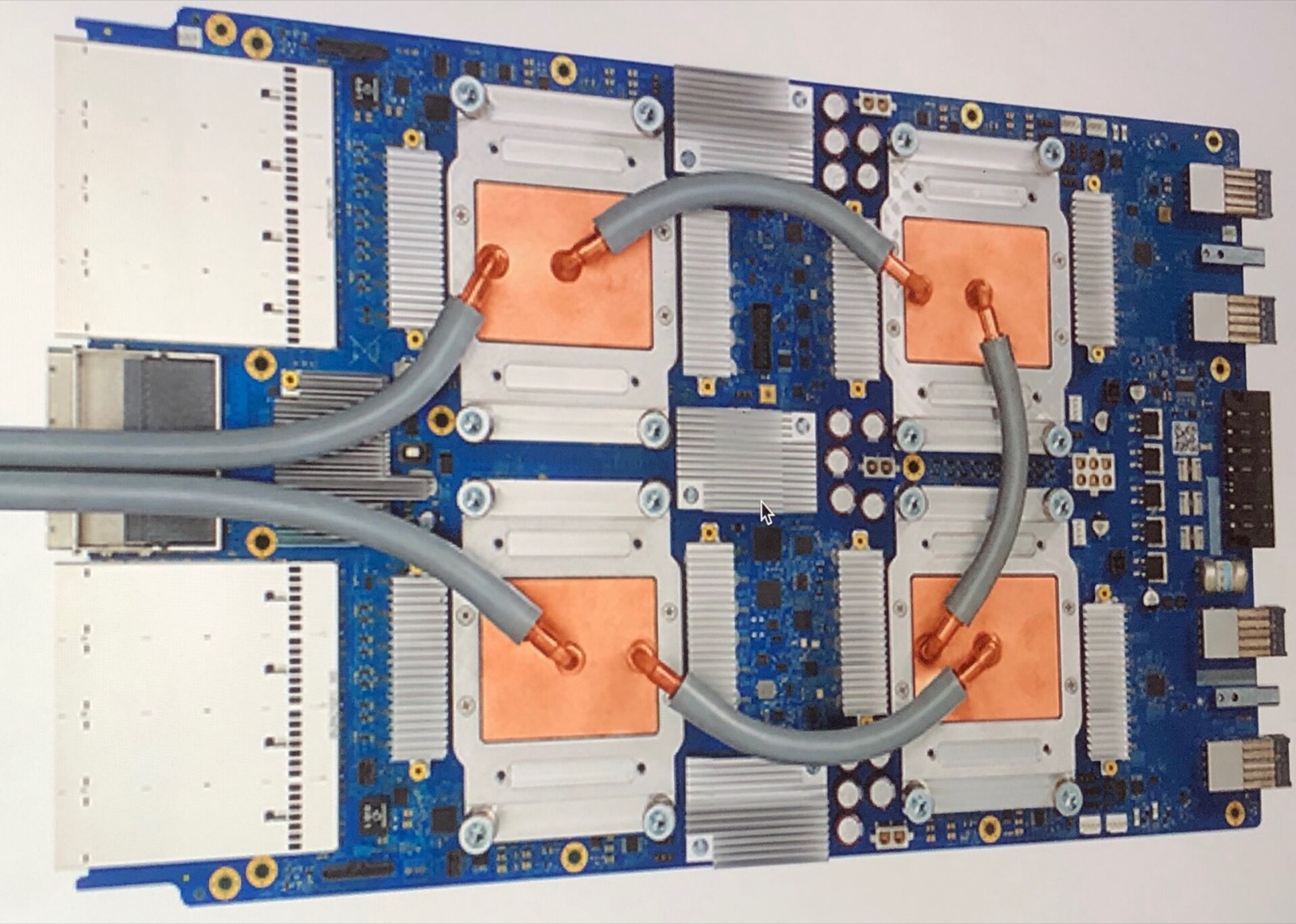
A 15-month crash ASIC project puts custom inference silicon in production: revealed to the world in 2016.
Altman, Musk, Sutskever, Brockman and others launch a nonprofit lab with $1B pledged.
Deep RL takes Go a decade early; move 37 enters folklore. 280M people watch.
2017–2019 · Transformers
NVIDIA builds matrix math into silicon: the first AI-specific GPU feature.
Eight Googlers publish the transformer. Everything on this site descends from it.
OpenAI and Google show pre-training + fine-tuning beats task-specific models.
OpenAI stages the release citing misuse: the first mainstream fight about publishing model weights.
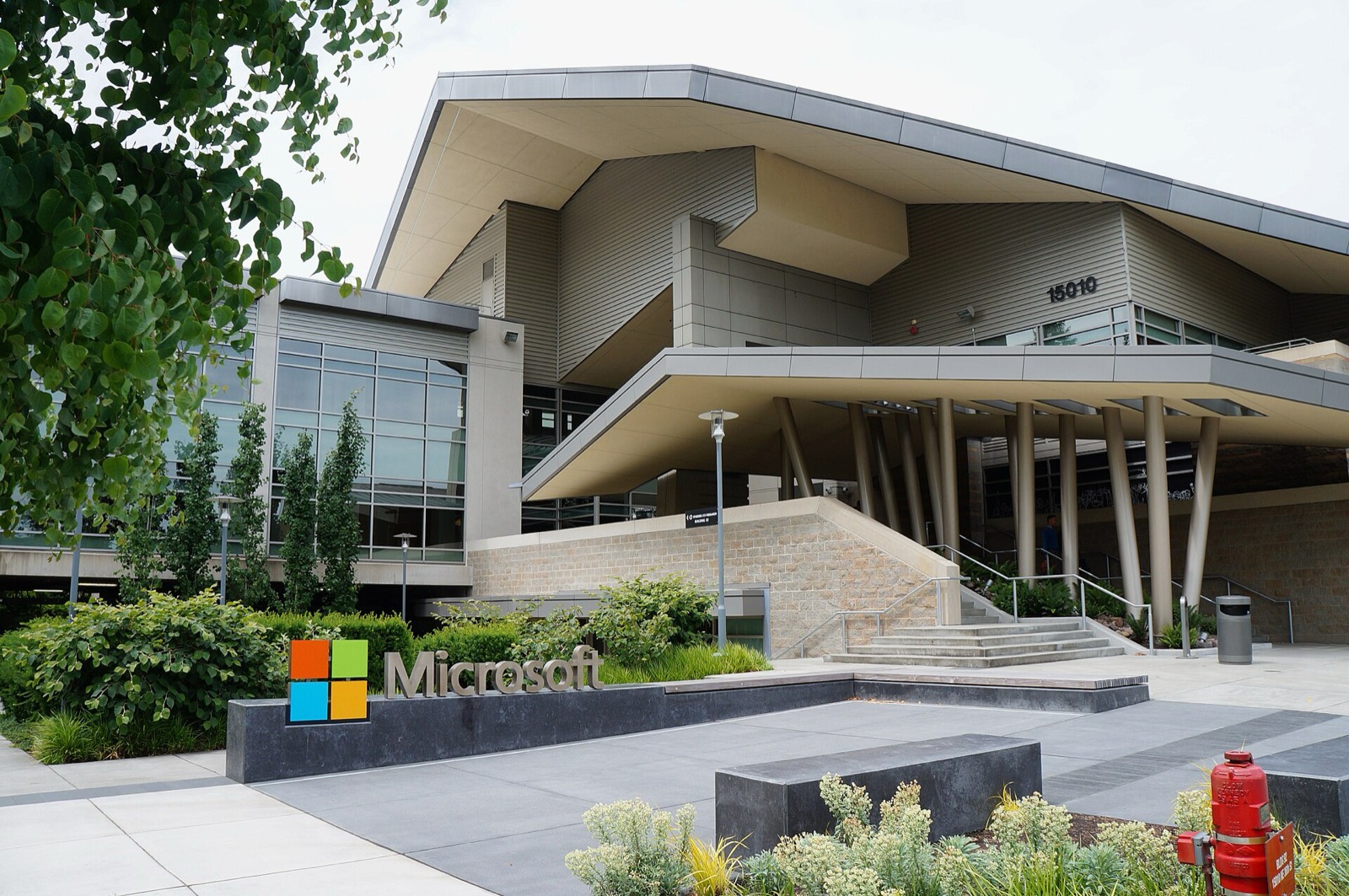
The partnership that will define the commercial era; Azure becomes OpenAI's exclusive cloud.
2020–2022 · Scaling
175B parameters; in-context learning; Kaplan's curves say more compute keeps paying.
The first mass-market LLM product: code completion from Codex.
Protein structure solved to experimental accuracy; 200M structures follow.
DeepMind: most models are undertrained on data. Every training plan changes.
Image generation on consumer GPUs; the fine-tune ecosystem and the copyright wars begin.
October 7 rules cut China off from A100/H100-class chips and advanced fab tools. Compute becomes statecraft.
A 'research preview' reaches 100M users in two months: the fastest product adoption ever recorded, and the starting gun for everything in this database's Trends section.
2023–present · The build-out
Capability jumps again; technical details go dark; Microsoft commits ~$10B more.
The first chipmaker to a $1T market value, on data-center guidance that stuns Wall Street.
A800/H800 workarounds banned; performance-density rules close the loopholes.
OpenAI's board crisis ends with Altman back and the board remade: governance meets capability in public.
Two-die B200 and the GB200 NVL72 make the rack the unit of computing, and liquid cooling mandatory.
Test-time compute becomes the new scaling axis.
Memphis build resets industry assumptions about how fast a frontier cluster can rise.
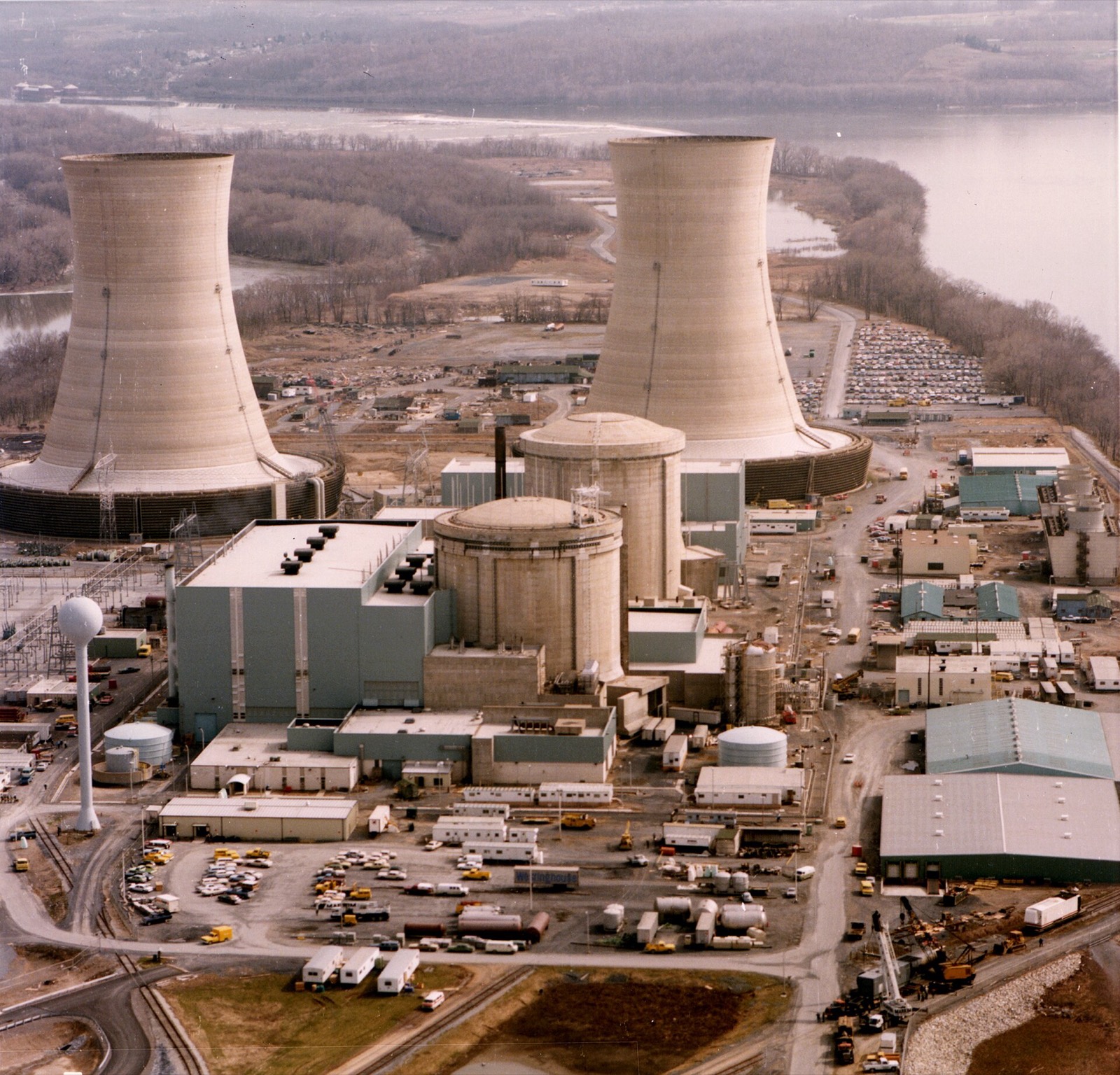
Constellation and Microsoft sign a 20-year, 835 MW PPA: AI money starts reversing nuclear retirements.
Hinton (Physics) and Hassabis/Jumper (Chemistry): the academy ratifies the era.
1.742 exaFLOPS on AMD MI300A: the public sector's biggest disclosed machine.
AWS commits its own silicon to Anthropic at hundred-thousand-chip scale.
OpenAI, SoftBank, Oracle and MGX unveil an up-to-$500B US buildout; Abilene is site one.
An open reasoning model at disclosed bargain cost; NVIDIA falls ~17% in a day (~$589B). Then the Jevons argument wins the year.
The GPU cloud lists at ~$23B: the market's first pure-play AI infrastructure stock.
Google's inference flagship: 9,216-chip pods for the 'age of inference'.
AMD's CDNA4 reaches Blackwell class; OpenAI appears on stage.
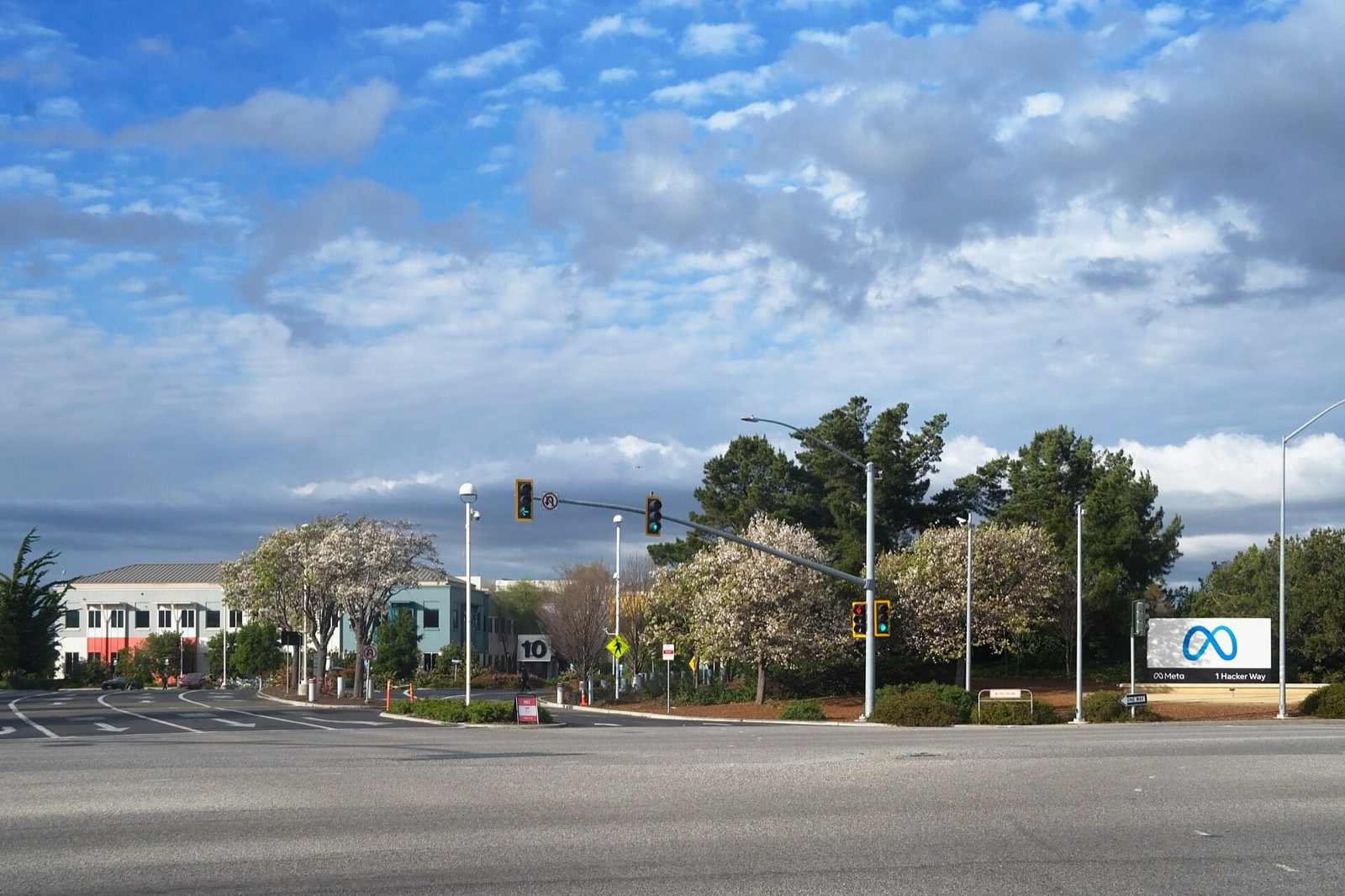
$14.3B for 49% of Scale and a hiring spree with nine-figure packages.
First company to the mark: ahead of every national stock market but a handful.
Frontier reasoning from Colossus; a trillion-parameter open MoE from Beijing.
First open OpenAI language models since GPT-2: the open-weights race is now three-way.
The NRC moves the shut Michigan plant back to an operating license, a first in US history; fuel loading for the restart begins a year later.
Circular or catalytic? The vendor-financing debate defines the autumn.
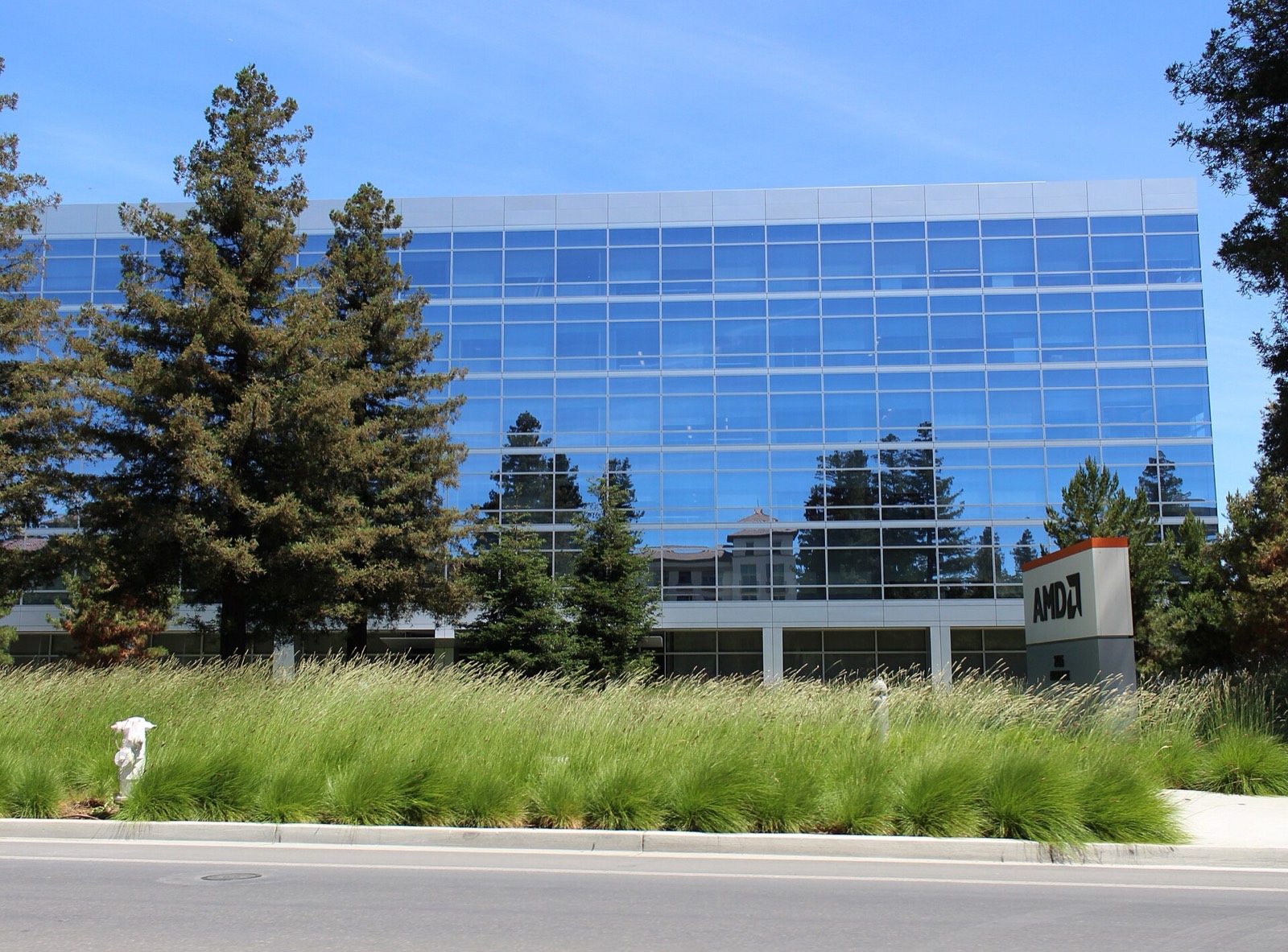
MI450 anchors OpenAI's second silicon supplier; equity warrants align them.
Google Cloud deal worth tens of billions; a gigawatt of TPU capacity slated for 2026.
Trained on TPUs end to end: the strongest non-NVIDIA statement yet.
Three frontier releases in three weeks (Gemini 3, GPT-5.1, Opus 4.5): cadence itself becomes the story.
NVIDIA unveils the six-chip Rubin platform, says it is in full production, and targets partner systems for the second half of 2026.
Agreements with Vistra, TerraPower and Oklo could support up to 6.6 GW by 2035, mixing uprates with new advanced reactors (reported).
A 3 nm inference accelerator with 216 GB of HBM3E and over 10 PFLOPS of FP4, already serving Copilot and OpenAI models in Azure.
An all-stock deal effective February 2 folds xAI, and with it X and Grok, into SpaceX (reported).
Meta signs for up to 6 GW of Instinct GPUs, starting with a custom MI450-based part in Helios racks, with warrants for up to 160M AMD shares.
The enlarged round closes as the largest private financing on record, with about $3B from individual investors (reported).
After OpenAI drops the expansion, Crusoe announces a 900 MW campus beside Stargate Abilene for Microsoft, taking the site to a projected 2.1 GW.
Huawei's new accelerator ships on the Atlas 350 card with in-house HBM; Reuters reports a target of about 750,000 chips in 2026.
TerraPower receives the first construction permit for a commercial non-light-water reactor, Kemmerer Unit 1 in Wyoming; full construction begins in April.
A multi-gigawatt Google and Broadcom TPU deal from 2027 is followed two weeks later by an AWS agreement for up to 5 GW and over $100B of spending.
Meta Superintelligence Labs' first model ships without public weights, breaking with the Llama open-weights approach.
The eighth generation arrives as two chips, TPU 8t for training and TPU 8i for inference (vendor claims), as Ironwood becomes generally available.
Azure stays OpenAI's primary cloud, but OpenAI may sell on any cloud and Microsoft's IP license becomes non-exclusive through 2032.
A 1.6-trillion-parameter open-weights MoE with a 1M-token context, released under MIT in Pro and Flash variants.
The Series H values Anthropic above OpenAI's March round; the company cites run-rate revenue above $47B.
Anthropic agrees to use all compute at Colossus 1, more than 300 MW and over 220,000 NVIDIA GPUs.
A new tier above Opus with always-on adaptive thinking and a 1M-token context; Sonnet 5 and Opus 5 follow within seven weeks.
Anthropic (June 1) and OpenAI (June 8) both submit draft S-1s to the SEC without setting listing dates.
FERC lets Constellation transfer 760 MW of capacity interconnection rights from Eddystone to Crane, keeping a 2027 restart possible.
Microsoft says its first Mount Pleasant facility is complete and fully operational, with a second due in 2028.
OpenAI ships GPT-5.6 as Luna, Terra and Sol, capping a year of rapid GPT-5.x releases.
Meta says Hyperion will reach 5 GW of compute capacity with more than $50B invested, about 2 GW by 2030.
Anthropic plans up to 2 GW of MI455X GPUs in Helios racks from the first half of 2027; AMD commits up to $5B in equity.
Inference racks built on technology licensed from Groq in December 2025 reach full production, with Nebius as the first cloud adopter.
The transformer-ASIC startup delivers its first rack to Jane Street and raises $700M at a $21B valuation.
Holtec starts the first core load for the restart; a tilted fuel assembly pauses the work until October, ahead of a contracted March 2027 power date.
NVIDIA says production shipments of Vera Rubin began in August 2026.
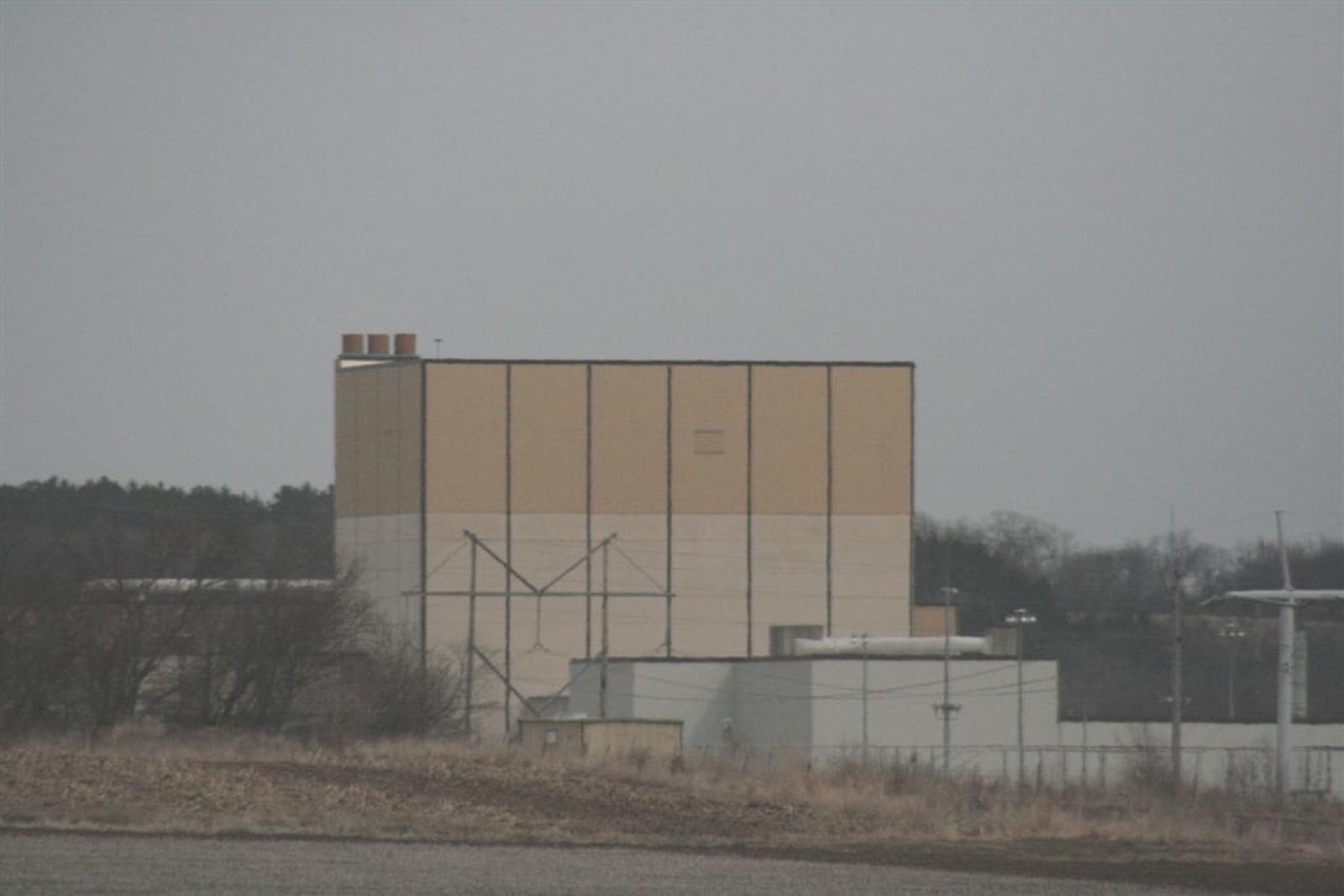
The loan backs NextEra's restart of the 615 MW Iowa plant, whose output Google will buy under a 25-year agreement.
CoreWeave offers Vera Rubin NVL72 with Cognition as the first production customer; Oracle Cloud declares general availability on October 27.
Oracle says 618 MW, 75% of Abilene's capacity, has been delivered to OpenAI, with 131,000 GPUs added in the quarter.
An HBM4 accelerator on TSMC N2P, which Microsoft says will scale to multi-gigawatt deployments as its primary inference system from 2027.
Meta says the first phase of its gigawatt-scale Prometheus cluster is complete, with hundreds of thousands of GPUs, and trained its Muse models.
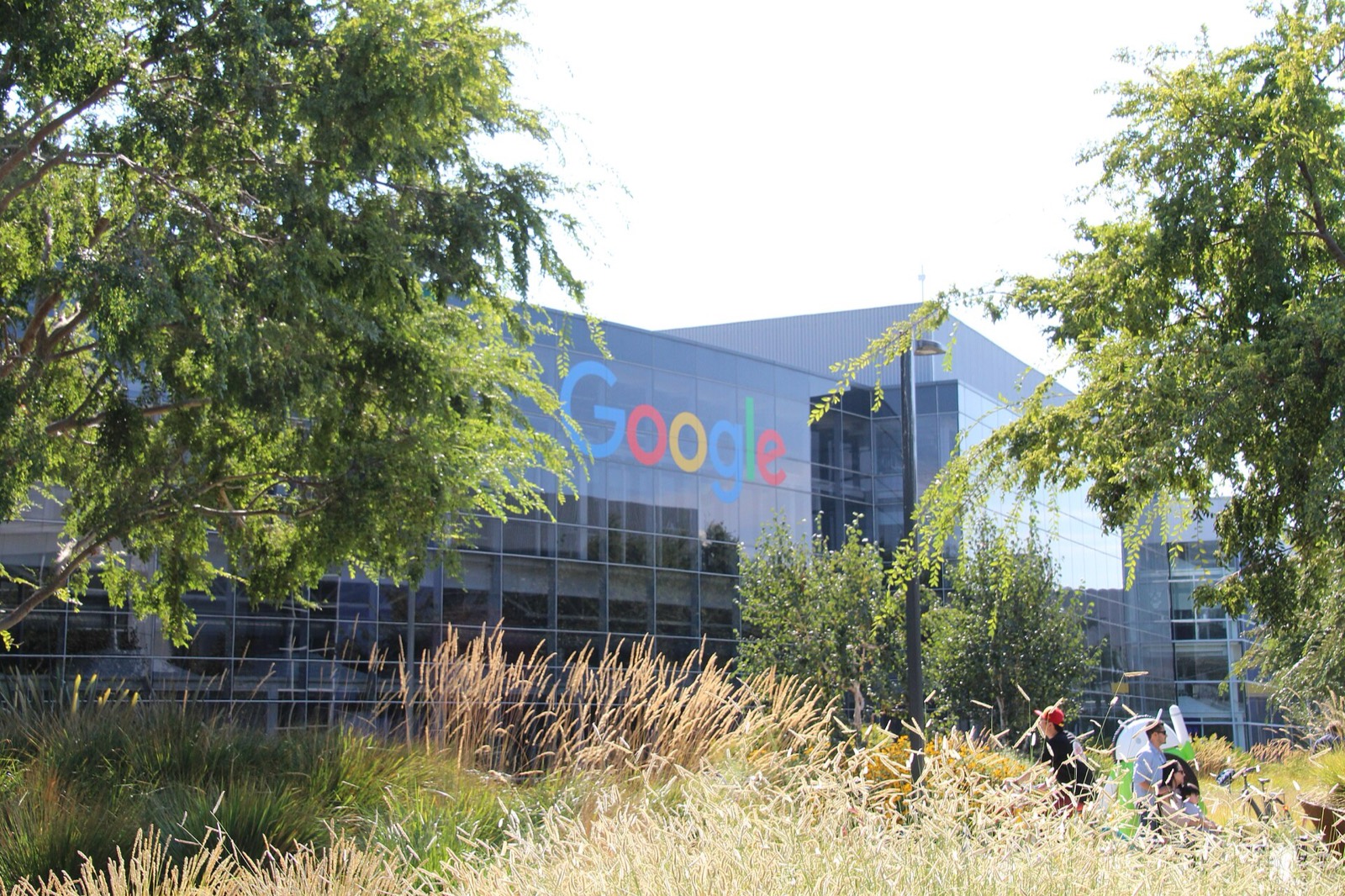
A 20-year agreement with Constellation supports uprates at 11 reactors in PJM, the first due online in 2028 (reported).
AMD's Q3 2026 Data Center revenue reaches $8.5B, up 97%, as MI455X ships in volume and five lead customers bring Helios racks online.
Co-founder Jensen Huang resigns as NVIDIA's President, CEO and director, effective immediately, with no reason given; CFO Colette Kress becomes interim CEO and Harvey C. Jones the first Chair of the Board.