‹ Back
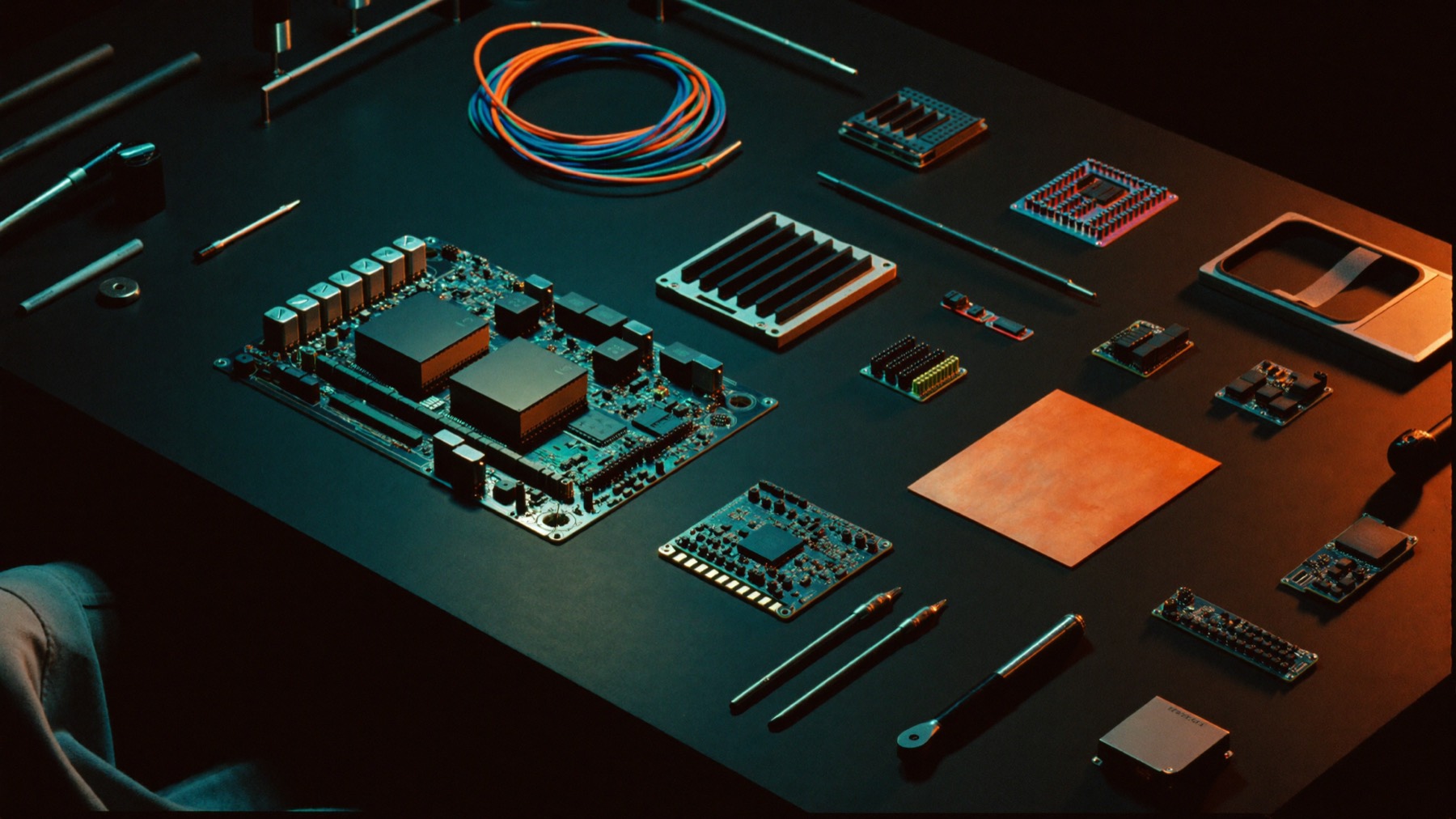
The build sheet
How an AI Data Center Is Built
Say you're building a campus around NVIDIA GPUs. Here is every component you just committed to buy, who actually manufactures it, and the software you'll install before the first token comes out — every name links to its record.
Read this page top to bottom and you have followed a real procurement chain: silicon → boards → racks → cables → cooling → power → software → model. The same trace works for any accelerator — swap the first stage and the rest of the chain barely changes.
1 The GPU itself is a supply chain
"An NVIDIA GPU" is really a package of parts from five countries. NVIDIA designs it and writes the software; nearly everything physical is made by others.
Logic dies (the compute)
TSMC 4NP process
fabricated in Taiwan on machines only ASML can build — ASML EUV
Is TSMC the only choice? At the leading edge, effectively yes — every flagship AI chip is made there today. The two chasing alternatives: Samsung Foundry · Intel Foundry
Packaging (die + memory joined)
TSMC CoWoS Amkor ASE
the step that rationed world GPU supply in 2023–24
Board assembly
Foxconn Quanta
the SXM modules and superchip boards are built by Taiwanese manufacturers, not NVIDIA
Full spec sheets: B200 · GB200 · or trace any chip's own chain from its record page.
2 Servers and racks
GPUs ship inside engineered systems. At Blackwell scale the rack itself is the product: 18 compute trays, 9 switch trays, one copper spine.
3 The cabling
The question everyone forgets to ask. Three kinds of wire, three supplier ecosystems — and at cluster scale the cabling bill runs to hundreds of millions.
Inside the rack: copper
Amphenol TE Connectivity Credo
DAC and active-electrical cables; the NVL72's NVLink spine alone is ~5,000 copper cables — over two miles of them per rack
Between racks: light
800G optics Coherent Lumentum Fabrinet
pluggable transceivers by the hundred thousand per cluster; lasers from the photonics makers, assembly largely in Thailand
The glass itself
Corning
campus fiber counts now run to millions of kilometers
Learn: how 100,000 GPUs become one computer →
4 Cooling — and why it decides the map
At 120 kW per rack, air is over. Liquid touches every chip, and how a campus rejects heat shapes where it can be built at all.
The siting signal:
cooling is why data centers historically followed rivers and lakes (evaporative designs), and why the new closed-loop generation can instead chase cheap power in dry country. Scouts read campuses off maps by exactly these tells — water rights, high-voltage corridors, fiber routes, cool climates.
Learn: where data centers go, and why →
Inside the giants: same problem, six answers
Everyone above sells to everyone below — but each big builder integrates the stack differently. These are the real configurations, assembled from the same records the rest of this database carries.
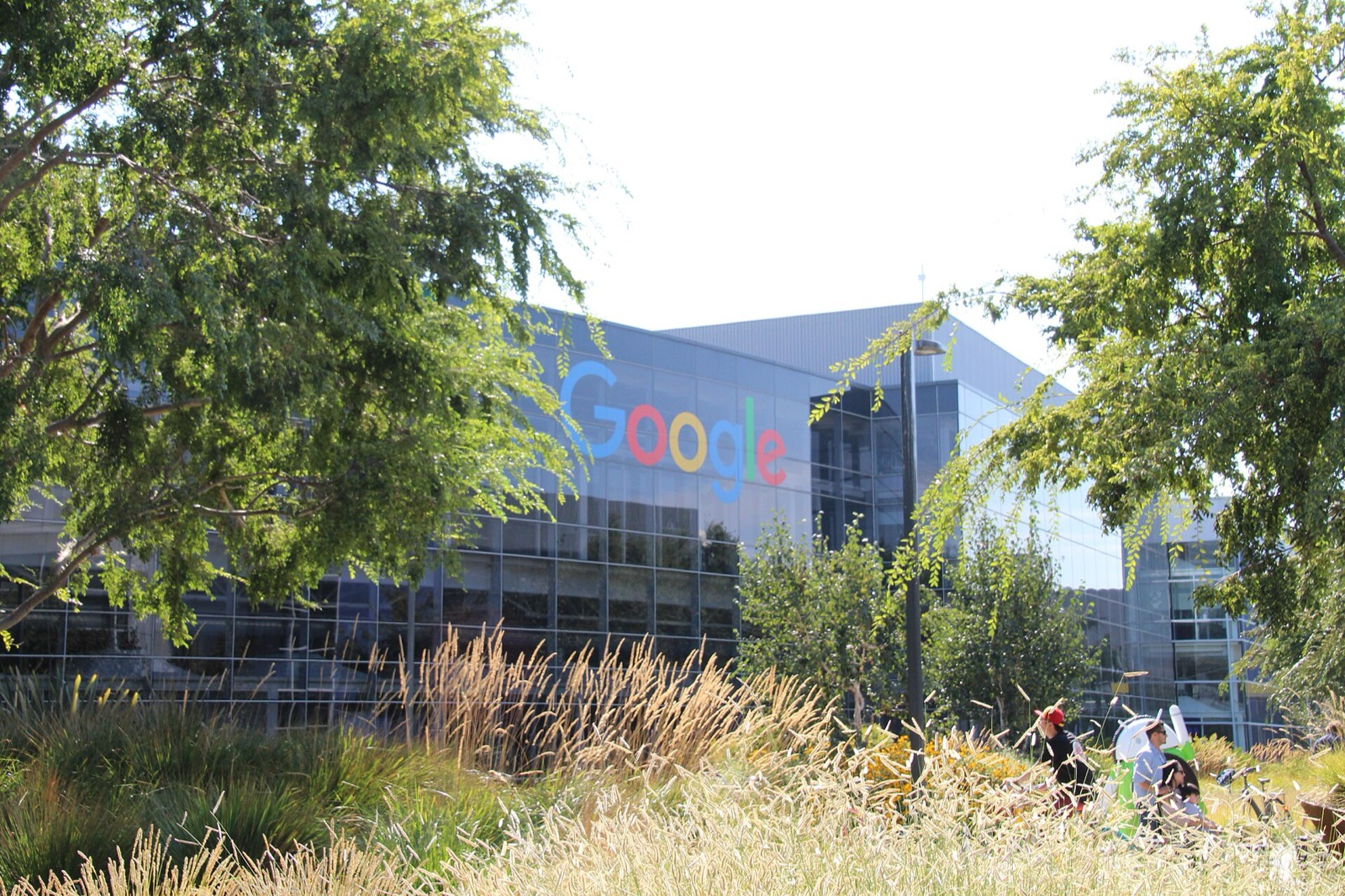
The vertical integrator
The only player integrated from self-designed silicon to frontier model — no NVIDIA required anywhere in Gemini's path.
Compute
TPU v7 Ironwood Trillium
Its own TPUs — Ironwood for the inference era, Trillium in volume — plus NVIDIA GPUs rented out to Cloud customers.
Fabric
TPU pods Optics
3D-torus inter-chip links reconfigured by in-house optical circuit switches; the Jupiter network carries the data center.
Racks & systems
TPU pods
Self-designed: the 9,216-chip pod, not the server, is the unit of hardware.
Cooling
Direct-to-chip
Direct liquid cooling on TPU pods since 2018 — the earliest big liquid fleet.
Power
Kairos fleet Nuclear
A giant renewables book, the first corporate SMR fleet order, and restart interest.
Software
JAX XLA
Linux + Borg orchestration underneath; JAX and XLA compile straight to TPU.
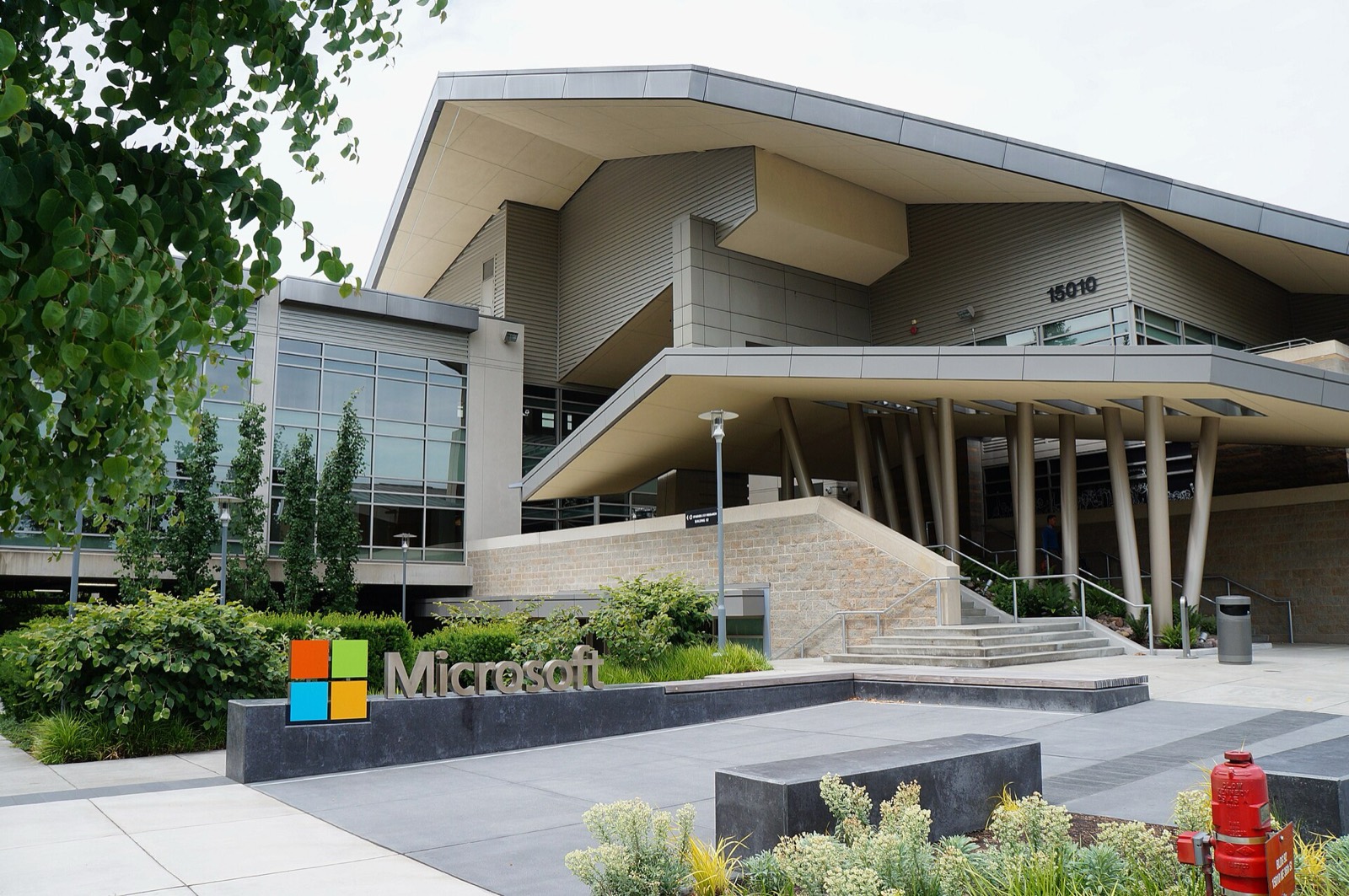
The alliance at NVIDIA scale
The biggest NVIDIA buyer builds 'AI factories' for its partner's models — with its own silicon waiting in the wings.
Compute
GB200 H100 Maia 100
Frontier NVIDIA fleets — GB200 today atop huge H100 estates — with in-house Maia 100 in supporting roles.
Fabric
InfiniBand
The world's largest InfiniBand deployments, flat networks spanning whole sites.
Software
DeepSpeed ONNX Runtime
Linux + Azure's stack; DeepSpeed for training scale; ONNX for deployment.
Model & site
GPT-5 Fairwater Stargate
GPT-5 trains and serves on this estate; Stargate adds OpenAI's own campuses.
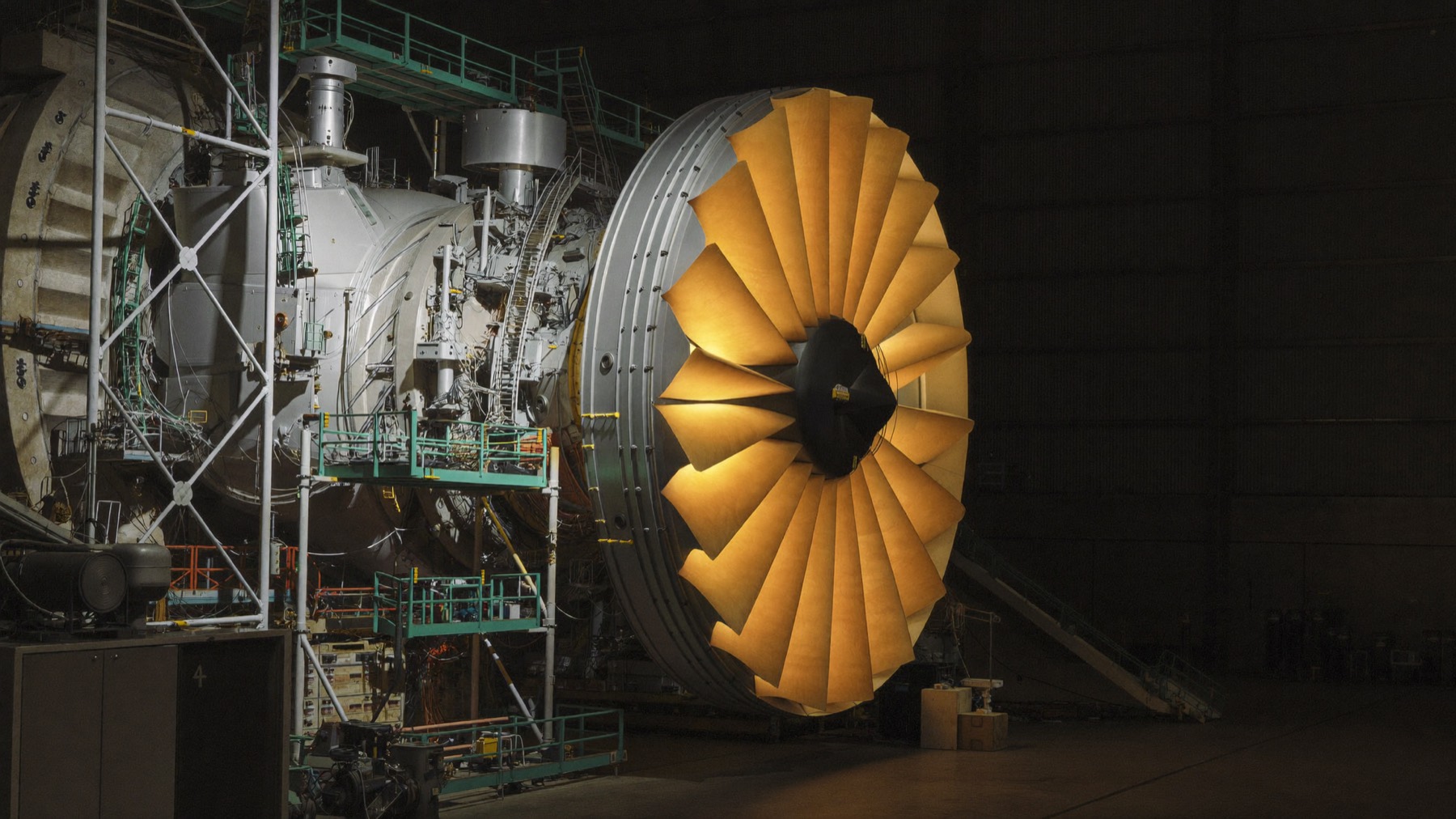
The speed record
The existence proof that a frontier cluster can be improvised in months — factory shell, gas turbines, batteries and all.
Compute
H100 H200
~100,000 H100s in 122 days, doubled since; GB200-class capacity at Colossus 2.
Fabric
Spectrum-X
The flagship Spectrum-X Ethernet deployment — NVIDIA networking without InfiniBand.
Racks & systems
Supermicro Dell
Supermicro and Dell liquid-cooled systems, delivered at sprint pace.
Cooling
Direct-to-chip
Direct liquid throughout — the density made air a non-starter on day one.
Power
Gas turbines Colossus
On-site gas turbines bridging the grid queue, Tesla Megapacks smoothing training spikes.
Software
CUDA
A lean in-house training stack on Linux and CUDA — small team, big machine.
Model & site
Grok 4 Colossus
Grok 3 and 4 trained at Colossus; Grok ships inside X.
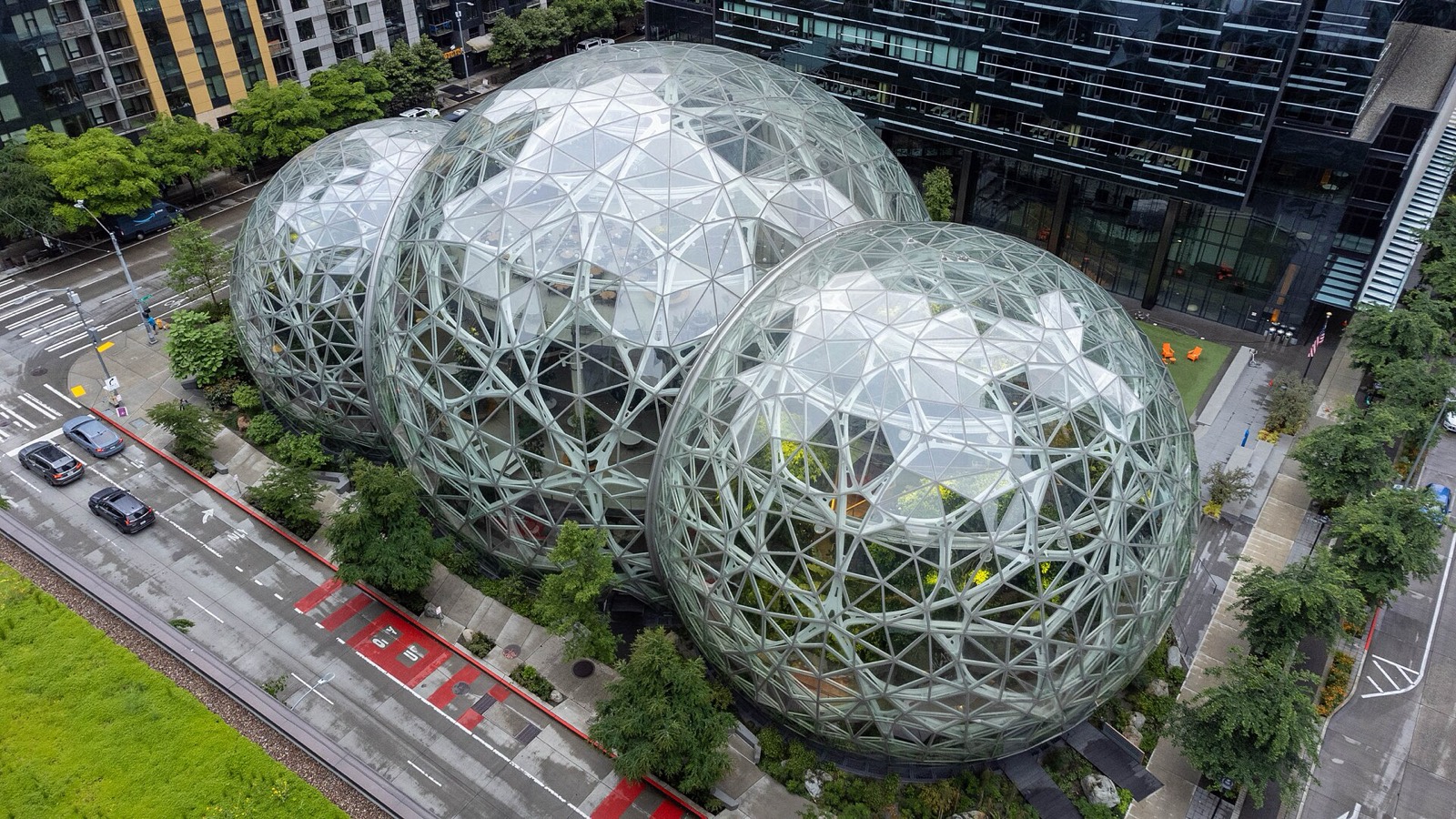
The custom-silicon bet
The clearest test of whether a hyperscaler's own chips can carry a frontier lab — half a million Trainiums and counting.
Compute
Trainium2 UltraServer
Trainium2 UltraServers at Project Rainier scale, beside NVIDIA fleets for customers.
Fabric
UltraServer
NeuronLink inside the UltraServer; AWS's own EFA networking and Nitro offload beyond it.
Racks & systems
Annapurna/AWS
Annapurna-designed, self-integrated — the cloud primitive as the building block.
Cooling
Direct-to-chip
Liquid-and-air mix tuned per hall across the Rainier sites.
Power
Susquehanna X-energy
Nuclear at Susquehanna, X-energy SMR backing, and the largest corporate renewables book.
Software
PyTorch vLLM
The Neuron SDK is the whole ballgame — porting the open stack to its own silicon.
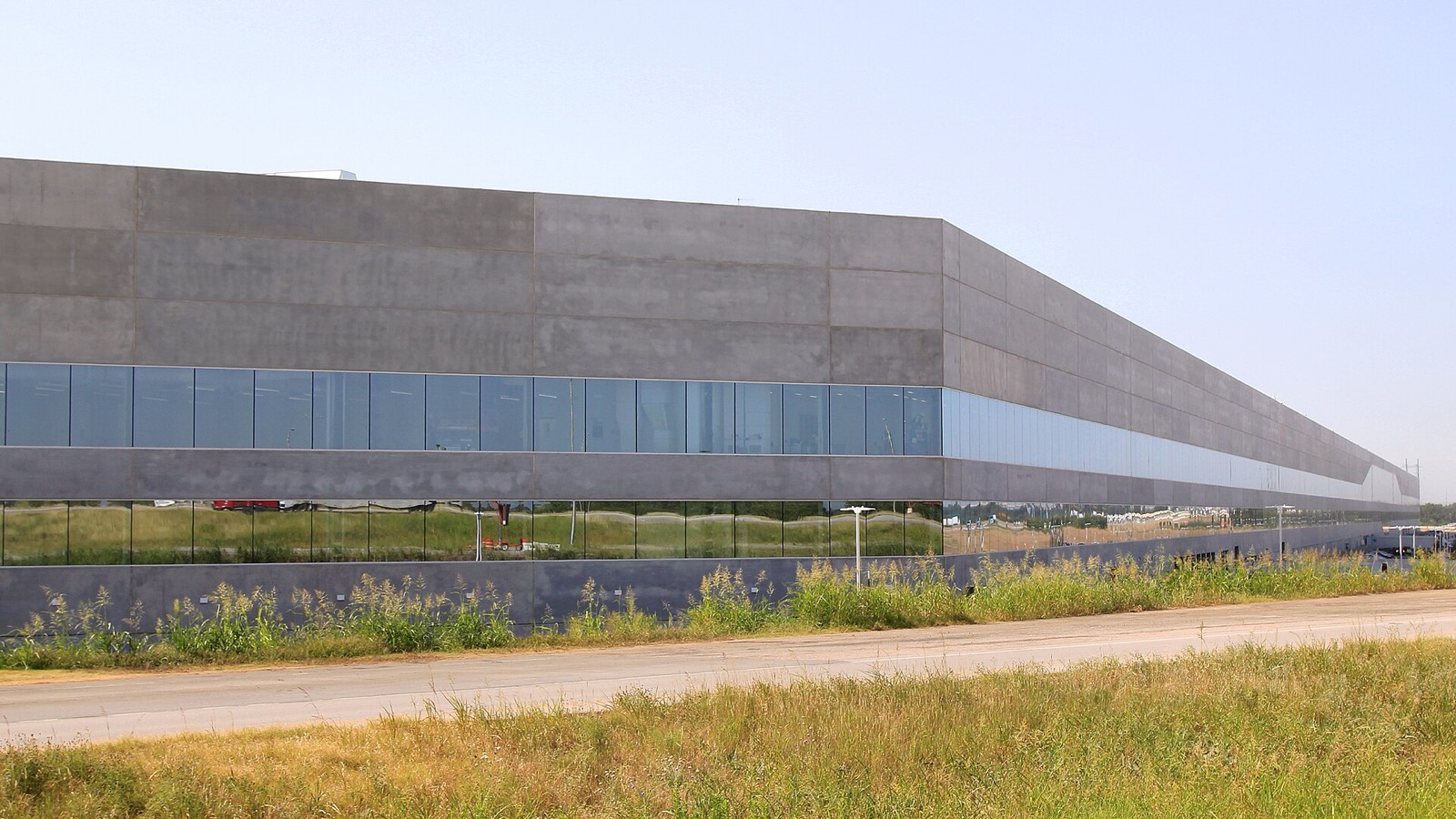
The embodied-AI factory
Trains on video from millions of cars, ships the result back to them — with its own batteries steadying its own cluster.
Compute
H100 Cortex
The ~50,000-GPU Cortex cluster at Giga Texas; Dojo wound down for AI5/AI6 chips.
Fabric
800G optics
Ethernet-fabric clusters sized for video-scale data ingest.
Racks & systems
Supermicro
Supermicro and Dell systems, plus purpose-built data-hall extensions of the factory.
Cooling
Direct-to-chip
A dedicated liquid-cooling plant built alongside the cluster.
Power
Gas turbines
Grid supply buffered by its own Megapacks — the manufacturer as its own customer.
Software
PyTorch
Vision-only training pipeline on PyTorch; models compile down to the car's FSD computer.
Model & site
Tesla FSD Samsung
FSD v13+ ships over the air; AI5/AI6 silicon comes from Samsung and TSMC.
Challenger silicon, the 2026–27 platform generation, photonic interconnects, the nuclear wave and the architecture bets beyond the transformer — tracked with status labels on the Watchlist.