
Timeline
Research milestones, hardware generations, model releases, industry build-outs and policy turns: with links into the records they concern.

2017–2019 · Transformers
OpenAI stages the release citing misuse: the first mainstream fight about publishing model weights.
2020–2022 · Scaling
175B parameters; in-context learning; Kaplan's curves say more compute keeps paying.
Image generation on consumer GPUs; the fine-tune ecosystem and the copyright wars begin.
2023–present · The build-out
Capability jumps again; technical details go dark; Microsoft commits ~$10B more.
Test-time compute becomes the new scaling axis.
An open reasoning model at disclosed bargain cost; NVIDIA falls ~17% in a day (~$589B). Then the Jevons argument wins the year.
Frontier reasoning from Colossus; a trillion-parameter open MoE from Beijing.
First open OpenAI language models since GPT-2: the open-weights race is now three-way.
Trained on TPUs end to end: the strongest non-NVIDIA statement yet.
Three frontier releases in three weeks (Gemini 3, GPT-5.1, Opus 4.5): cadence itself becomes the story.
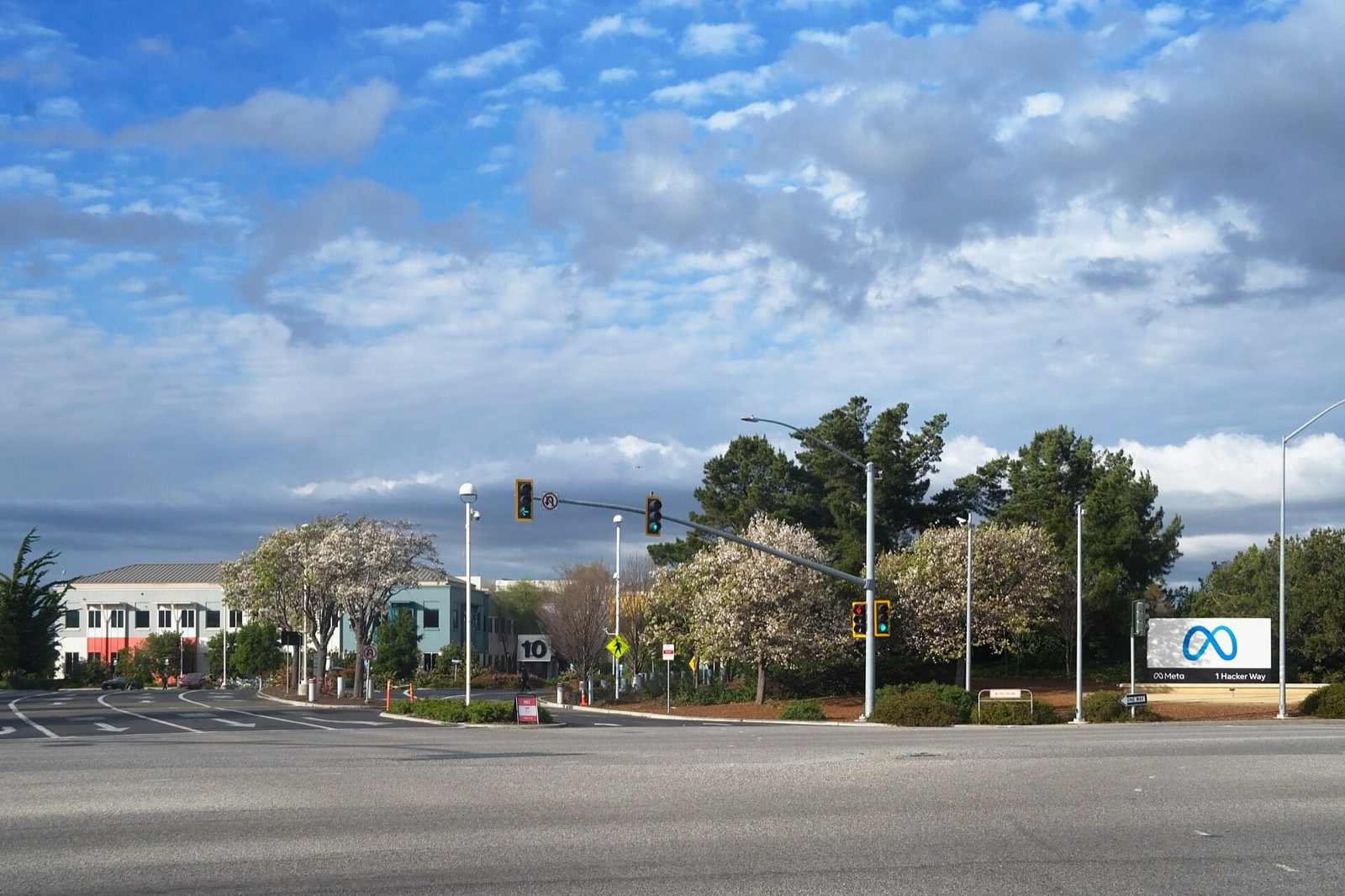
Meta Superintelligence Labs' first model ships without public weights, breaking with the Llama open-weights approach.
A 1.6-trillion-parameter open-weights MoE with a 1M-token context, released under MIT in Pro and Flash variants.
A new tier above Opus with always-on adaptive thinking and a 1M-token context; Sonnet 5 and Opus 5 follow within seven weeks.
OpenAI ships GPT-5.6 as Luna, Terra and Sol, capping a year of rapid GPT-5.x releases.