‹ Indietro
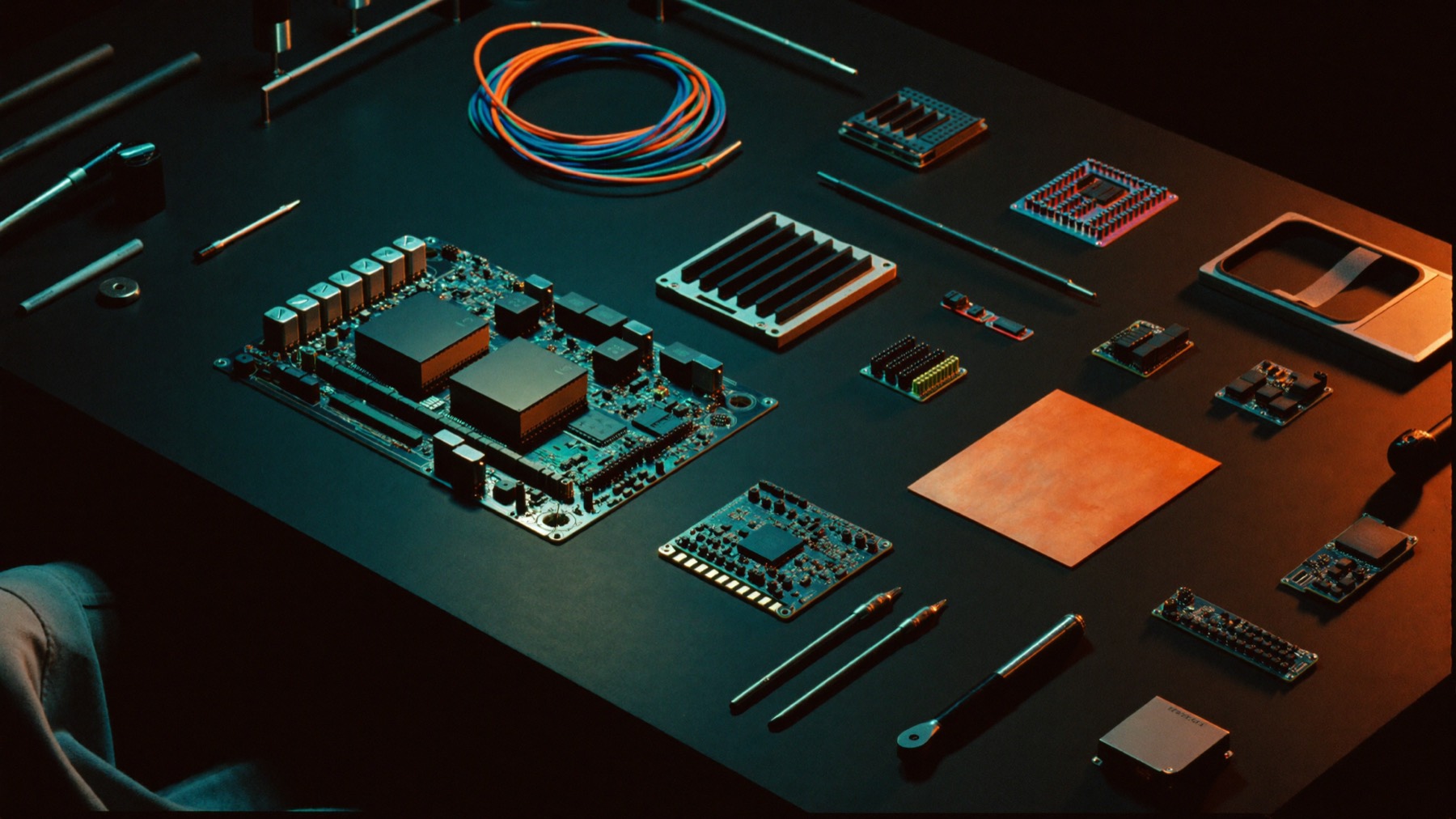
Il foglio di costruzione
Come viene costruito un data center per l'IA
Supponiamo che tu stia costruendo un campus basato su GPU NVIDIA. Ecco ogni componente che ti sei impegnato ad acquistare, chi lo produce realmente e il software che installerai prima che esca il primo token — ogni nome rimanda al suo record.
Leggi questa pagina dall'inizio alla fine e avrai seguito una vera catena di approvvigionamento: silicio → schede → rack → cavi → raffreddamento → alimentazione → software → modello. La stessa traccia vale per qualsiasi acceleratore — sostituisci la prima fase e il resto della catena cambia a malapena.
1 La GPU stessa è una filiera produttiva
"Una GPU NVIDIA" è in realtà un insieme di componenti proveniente da cinque paesi. NVIDIA ne cura il design e il software; quasi tutto ciò che è fisico è prodotto da altri.
Die logici (il calcolo)
TSMC 4NP process
prodotto a Taiwan su macchine che solo ASML è in grado di costruire — ASML EUV
TSMC è l'unica scelta? Al vertice tecnologico, di fatto sì — oggi tutti i chip AI di punta vengono prodotti lì. Le due alternative che inseguono: Samsung Foundry · Intel Foundry
Packaging (die + memoria uniti)
TSMC CoWoS Amkor ASE
la fase che ha razionato l'offerta mondiale di GPU nel 2023–24
Assemblaggio di schede
Foxconn Quanta
i moduli SXM e le schede superchip sono prodotti da costruttori taiwanese, non da NVIDIA
Schede tecniche complete: B200 · GB200 · o traccia la catena di qualsiasi chip dalla relativa pagina del record.
2 Server e rack
Le GPU vengono fornite all'interno di sistemi ingegnerizzati. Alla scala Blackwell il rack stesso è il prodotto: 18 vassoi di calcolo, 9 vassoi di switch, una dorsale in rame.
…e chi li commercializza con il proprio marchio
Supermicro Dell HPE Lenovo
il canale enterprise, con contratti di assistenza inclusi
Connettori e retimer
Amphenol TE Connectivity Astera Labs
migliaia di contatti ad alta velocità per rack; i retimer mantengono attivi i segnali PCIe attraverso lo chassis
3 Il cablaggio
La domanda che tutti dimenticano di porsi. Tre tipi di cavi, tre ecosistemi di fornitori — e su scala cluster il conto del cablaggio arriva a centinaia di milioni.
Dentro il rack: rame
Amphenol TE Connectivity Credo
DAC e cavi elettrici attivi; la sola dorsale NVLink dell'NVL72 conta circa 5.000 cavi in rame — più di tre chilometri per rack
Tra i rack: fibra ottica
800G optics Coherent Lumentum Fabrinet
ricetrasmettitori pluggable nell'ordine delle centinaia di migliaia per cluster; laser dai produttori di fotonica, assemblaggio in gran parte in Thailandia
Il vetro stesso
Corning
i campus ora contano milioni di chilometri di fibra ottica
Approfondimento: come 100.000 GPU diventano un solo computer →
4 Raffreddamento — e perché determina la mappa
A 120 kW per rack, l'aria non è più sufficiente. Il liquido tocca ogni chip e il modo in cui un campus dissipa il calore determina dove può essere costruito.
Sul chip: piastre di raffreddamento
Direct-to-chip CoolIT Boyd
piastre in rame a microcanali fissate su ogni GPU, CPU e switch ASIC
Smaltimento del calore
Rear-door HX Immersion Munters
dry cooler, torri o chiller all'esterno; i circuiti chiusi si riempiono una volta sola e consumano pochissima acqua
Il segnale di localizzazione:
il raffreddamento spiega perché i data center storicamente sorgevano vicino a fiumi e laghi (sistemi evaporativi), e perché la nuova generazione a circuito chiuso può invece puntare a energia a basso costo in zone aride. Gli analisti riconoscono i campus sulle mappe proprio da questi indizi — diritti sulle acque, corridoi ad alta tensione, percorsi in fibra, climi freschi.
Approfondimento: dove vanno i data center e perché →
5 La sala di alimentazione
Tra la rete elettrica e i rack si trova un edificio pieno di apparecchiature con tempi di approvvigionamento pluriennali — di solito il vero percorso critico.
Quadri elettrici, UPS, canalizzazioni
Eaton Schneider ABB Vertiv
la dorsale elettrica; i rack di nuova generazione puntano alla distribuzione in corrente continua a 800 volt
Fai tu stesso i calcoli: il Cluster Power Calculator →
Dentro i giganti: stesso problema, sei risposte
Tutti i soggetti in alto vendono a tutti quelli in basso — ma ogni grande costruttore integra lo stack in modo diverso. Queste sono le configurazioni reali, assemblate dagli stessi record che costituiscono il resto di questo database.
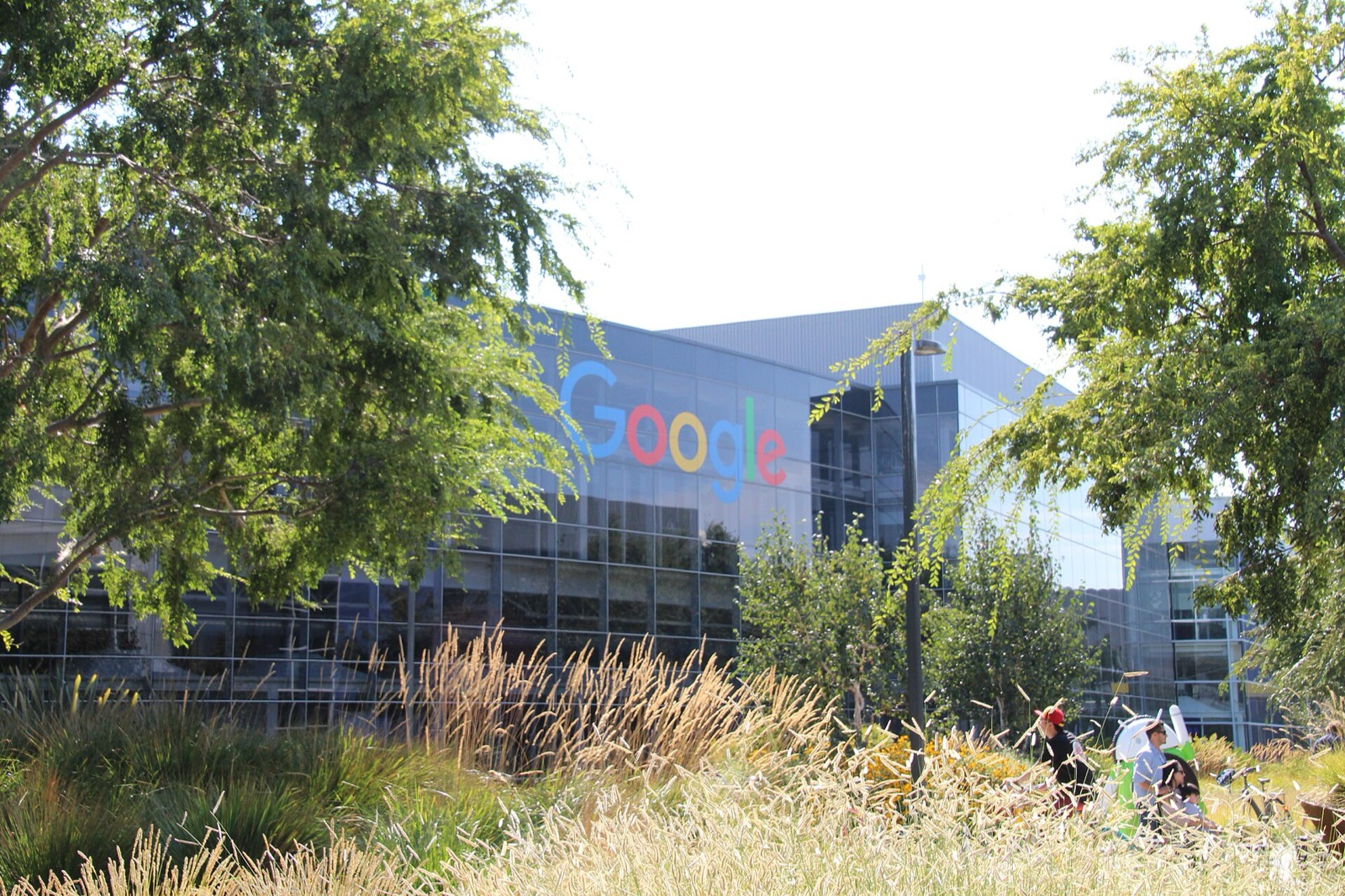
The vertical integrator
The only player integrated from self-designed silicon to frontier model — no NVIDIA required anywhere in Gemini's path.
Calcolo
TPU v7 Ironwood Trillium
Its own TPUs — Ironwood for the inference era, Trillium in volume — plus NVIDIA GPUs rented out to Cloud customers.
Fabric
TPU pods Optics
3D-torus inter-chip links reconfigured by in-house optical circuit switches; the Jupiter network carries the data center.
Rack e sistemi
TPU pods
Self-designed: the 9,216-chip pod, not the server, is the unit of hardware.
Raffreddamento
Direct-to-chip
Direct liquid cooling on TPU pods since 2018 — the earliest big liquid fleet.
Energia
Kairos fleet Nuclear
A giant renewables book, the first corporate SMR fleet order, and restart interest.
Software
JAX XLA
Linux + Borg orchestration underneath; JAX and XLA compile straight to TPU.
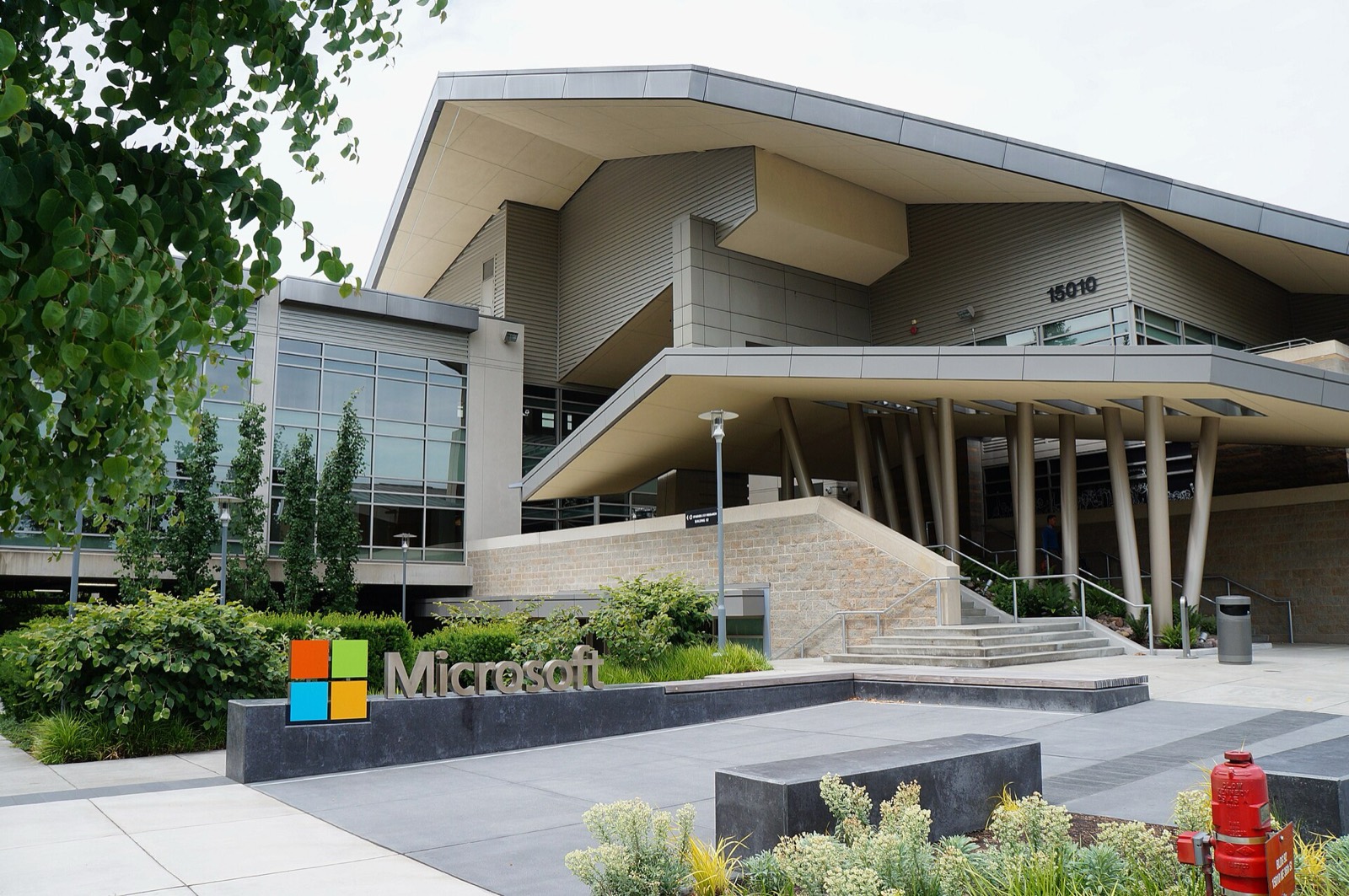
The alliance at NVIDIA scale
The biggest NVIDIA buyer builds 'AI factories' for its partner's models — with its own silicon waiting in the wings.
Calcolo
GB200 H100 Maia 100
Frontier NVIDIA fleets — GB200 today atop huge H100 estates — with in-house Maia 100 in supporting roles.
Fabric
InfiniBand
The world's largest InfiniBand deployments, flat networks spanning whole sites.
Software
DeepSpeed ONNX Runtime
Linux + Azure's stack; DeepSpeed for training scale; ONNX for deployment.
Modello e sito
GPT-5 Fairwater Stargate
GPT-5 trains and serves on this estate; Stargate adds OpenAI's own campuses.
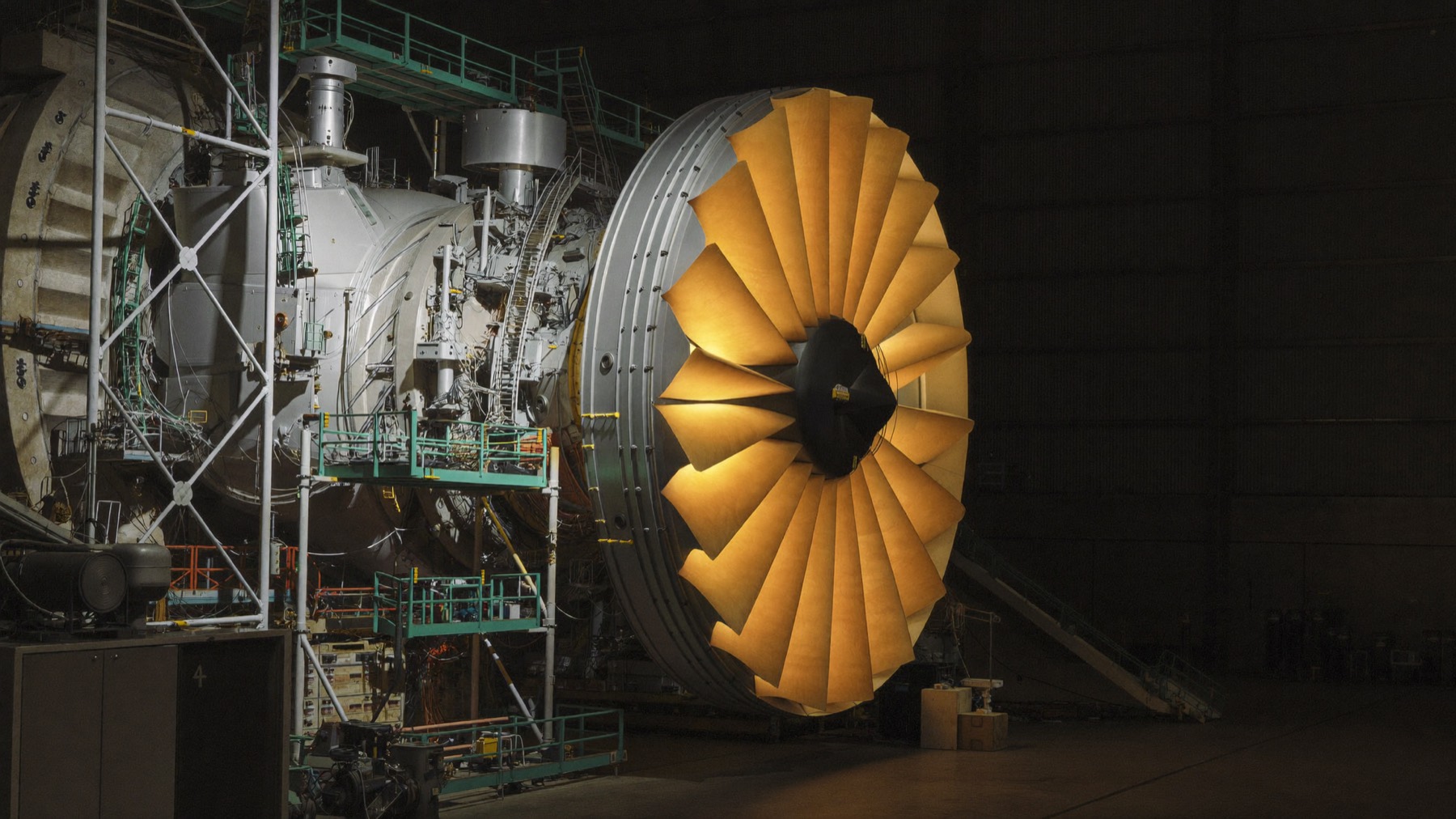
The speed record
The existence proof that a frontier cluster can be improvised in months — factory shell, gas turbines, batteries and all.
Calcolo
H100 H200
~100,000 H100s in 122 days, doubled since; GB200-class capacity at Colossus 2.
Fabric
Spectrum-X
The flagship Spectrum-X Ethernet deployment — NVIDIA networking without InfiniBand.
Rack e sistemi
Supermicro Dell
Supermicro and Dell liquid-cooled systems, delivered at sprint pace.
Raffreddamento
Direct-to-chip
Direct liquid throughout — the density made air a non-starter on day one.
Energia
Gas turbines Colossus
On-site gas turbines bridging the grid queue, Tesla Megapacks smoothing training spikes.
Software
CUDA
A lean in-house training stack on Linux and CUDA — small team, big machine.
Modello e sito
Grok 4 Colossus
Grok 3 and 4 trained at Colossus; Grok ships inside X.
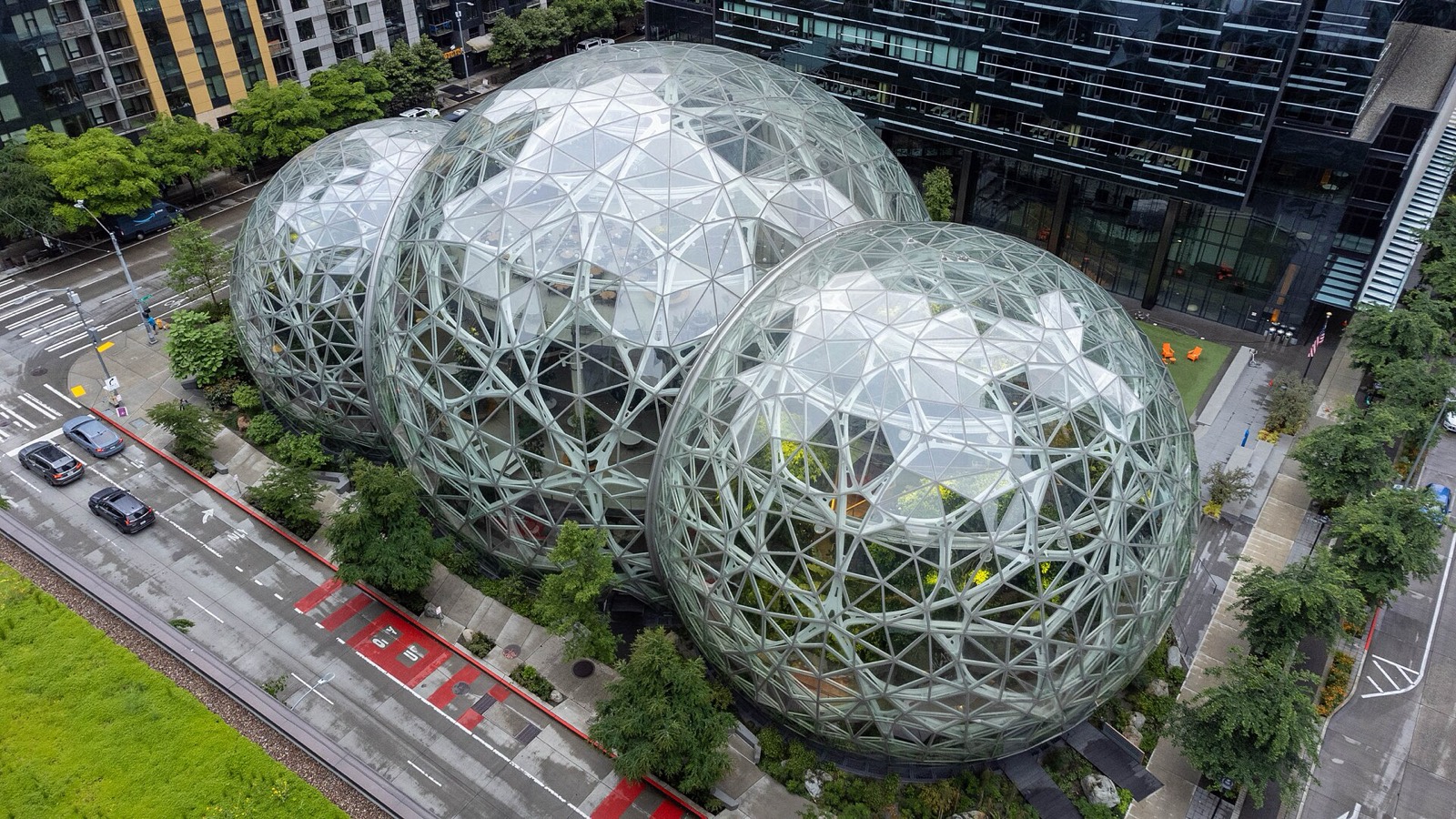
The custom-silicon bet
The clearest test of whether a hyperscaler's own chips can carry a frontier lab — half a million Trainiums and counting.
Calcolo
Trainium2 UltraServer
Trainium2 UltraServers at Project Rainier scale, beside NVIDIA fleets for customers.
Fabric
UltraServer
NeuronLink inside the UltraServer; AWS's own EFA networking and Nitro offload beyond it.
Rack e sistemi
Annapurna/AWS
Annapurna-designed, self-integrated — the cloud primitive as the building block.
Raffreddamento
Direct-to-chip
Liquid-and-air mix tuned per hall across the Rainier sites.
Energia
Susquehanna X-energy
Nuclear at Susquehanna, X-energy SMR backing, and the largest corporate renewables book.
Software
PyTorch vLLM
The Neuron SDK is the whole ballgame — porting the open stack to its own silicon.
Modello e sito
Claude 4.5 Project Rainier
Claude trains at New Carlisle — and, uniquely, also runs on TPUs and GPUs elsewhere.
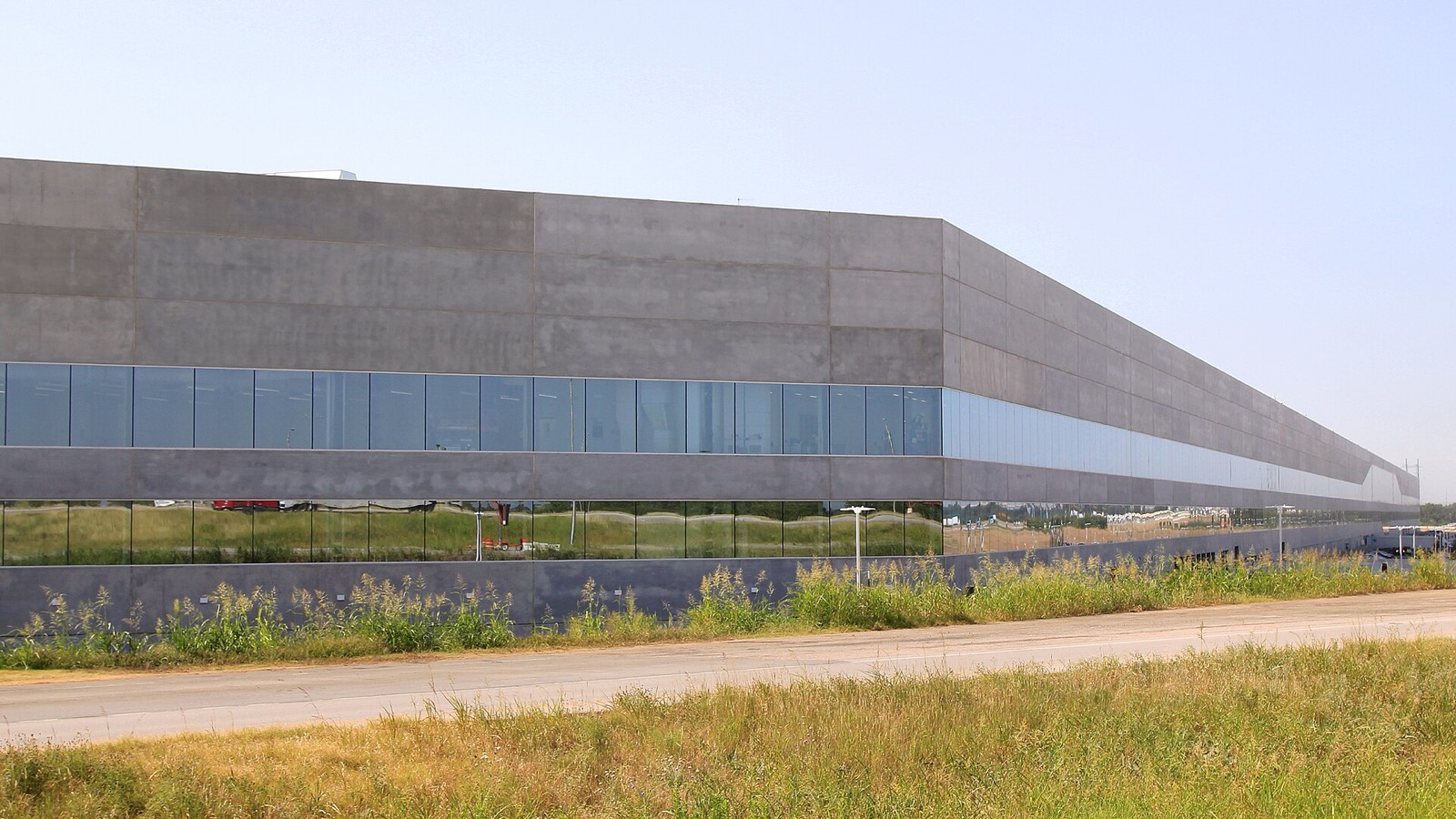
The embodied-AI factory
Trains on video from millions of cars, ships the result back to them — with its own batteries steadying its own cluster.
Calcolo
H100 Cortex
The ~50,000-GPU Cortex cluster at Giga Texas; Dojo wound down for AI5/AI6 chips.
Fabric
800G optics
Ethernet-fabric clusters sized for video-scale data ingest.
Rack e sistemi
Supermicro
Supermicro and Dell systems, plus purpose-built data-hall extensions of the factory.
Raffreddamento
Direct-to-chip
A dedicated liquid-cooling plant built alongside the cluster.
Energia
Gas turbines
Grid supply buffered by its own Megapacks — the manufacturer as its own customer.
Software
PyTorch
Vision-only training pipeline on PyTorch; models compile down to the car's FSD computer.
Modello e sito
Tesla FSD Samsung
FSD v13+ ships over the air; AI5/AI6 silicon comes from Samsung and TSMC.
Silicon alternativo, la generazione di piattaforme 2026–27, interconnessioni fotoniche, l'ondata nucleare e le scommesse architetturali oltre il transformer — tracciati con etichette di stato nella Watchlist.