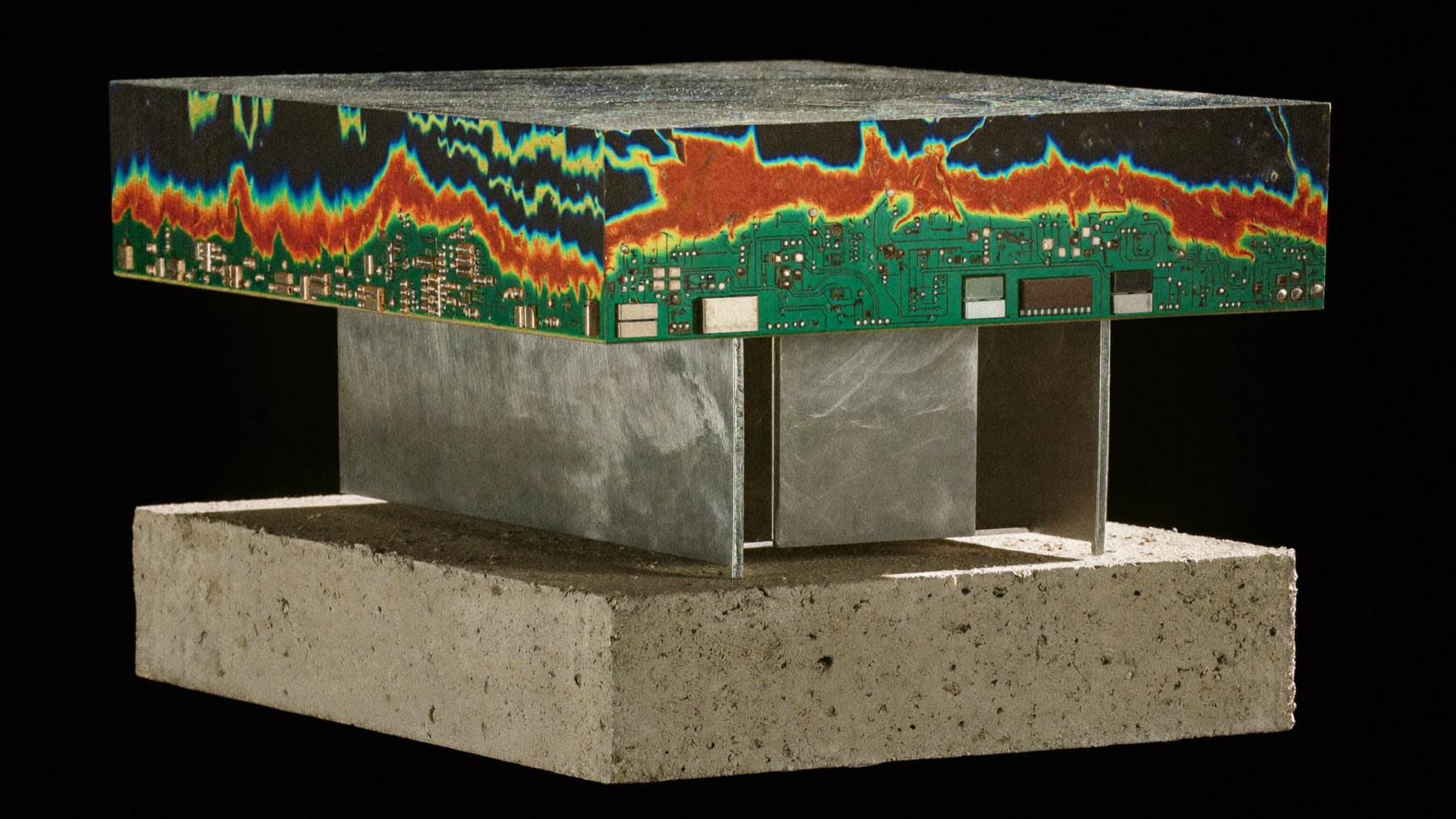
Từ điện năng đến trí tuệ
Bảy lớp, mỗi lớp phụ thuộc vào lớp bên dưới. Mỗi lớp mở ra một phần của cơ sở dữ liệu; mỗi ví dụ là một hồ sơ bạn có thể mở.
Electricity is the first input of AI. Gigawatt-scale campuses are signing nuclear offtakes, building gas turbines behind the meter, and waiting years in interconnection queues.
The buildings: shells, substations, chillers and halls engineered around rack densities that have jumped from ~10 kW to 120+ kW per rack.
Accelerators ship inside engineered systems — 8-GPU baseboards, rack-scale NVLink domains, InfiniBand and Ethernet fabrics, direct-to-chip liquid loops.
The chips themselves: leading-edge logic from a handful of foundries, stacked HBM memory, and advanced packaging that has become its own bottleneck.
The layer that turns racks into computers: kernels, compilers, frameworks, schedulers and serving engines — and the moats they create.
What the machines are for: frontier and open-weights models, from GPT and Claude and Gemini to DeepSeek, Llama and Qwen.
Where AI meets users: chat assistants, coding agents, creative tools, scientific systems and robots.
Một chip, toàn bộ ngăn xếp: ví dụ thực tế với B200
Công cụ quan hệ trong hoạt động — mọi kết nối được lưu trữ của một bản ghi, mỗi đầu đều có thể nhấp vào. Mọi trang bản ghi đều hoạt động theo cách này.
Các mối quan hệ là hai chiều: những gì một hồ sơ liệt kê là "được sản xuất bởi", hồ sơ kia sẽ liệt kê là "sản xuất".