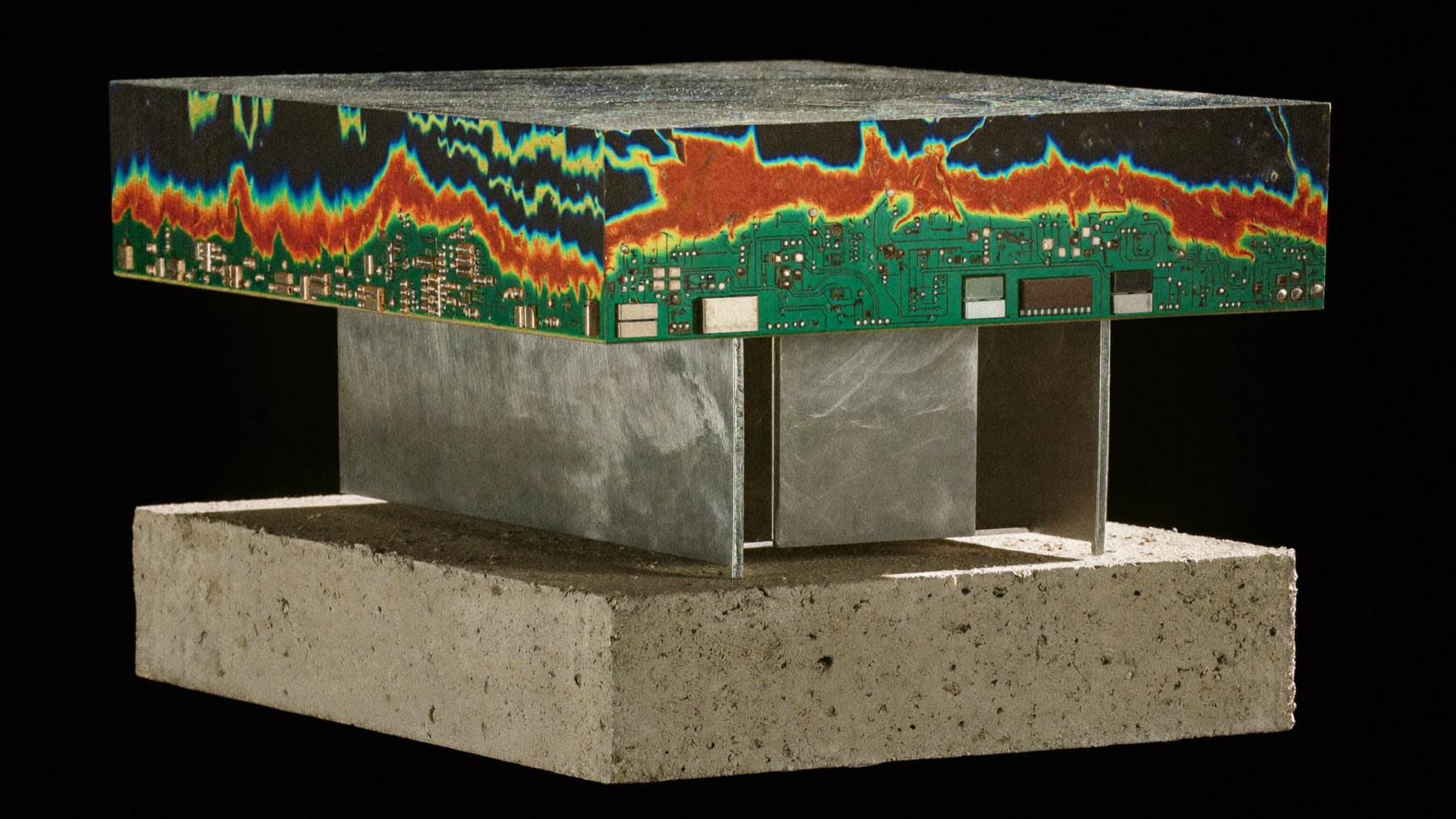
전기에서 인공지능까지
7개 레이어로 구성되며, 각 레이어는 아래 레이어에 의존합니다. 모든 레이어는 데이터베이스의 한 섹션을 열며, 모든 예시는 직접 열어볼 수 있는 레코드입니다.
Electricity is the first input of AI. Gigawatt-scale campuses are signing nuclear offtakes, building gas turbines behind the meter, and waiting years in interconnection queues.
The buildings: shells, substations, chillers and halls engineered around rack densities that have jumped from ~10 kW to 120+ kW per rack.
Accelerators ship inside engineered systems — 8-GPU baseboards, rack-scale NVLink domains, InfiniBand and Ethernet fabrics, direct-to-chip liquid loops.
The chips themselves: leading-edge logic from a handful of foundries, stacked HBM memory, and advanced packaging that has become its own bottleneck.
The layer that turns racks into computers: kernels, compilers, frameworks, schedulers and serving engines — and the moats they create.
What the machines are for: frontier and open-weights models, from GPT and Claude and Gemini to DeepSeek, Llama and Qwen.
Where AI meets users: chat assistants, coding agents, creative tools, scientific systems and robots.
칩 하나, 전체 스택: B200 실제 사례
관계 엔진의 작동 방식 — 하나의 레코드에 저장된 모든 연결과 양쪽 끝을 클릭할 수 있는 구조. 모든 레코드 페이지가 이 방식으로 작동합니다.
관계는 양방향입니다: 한 레코드에서 "제조사"로 표시된 항목은 상대 레코드에서 "제조"로 표시됩니다.