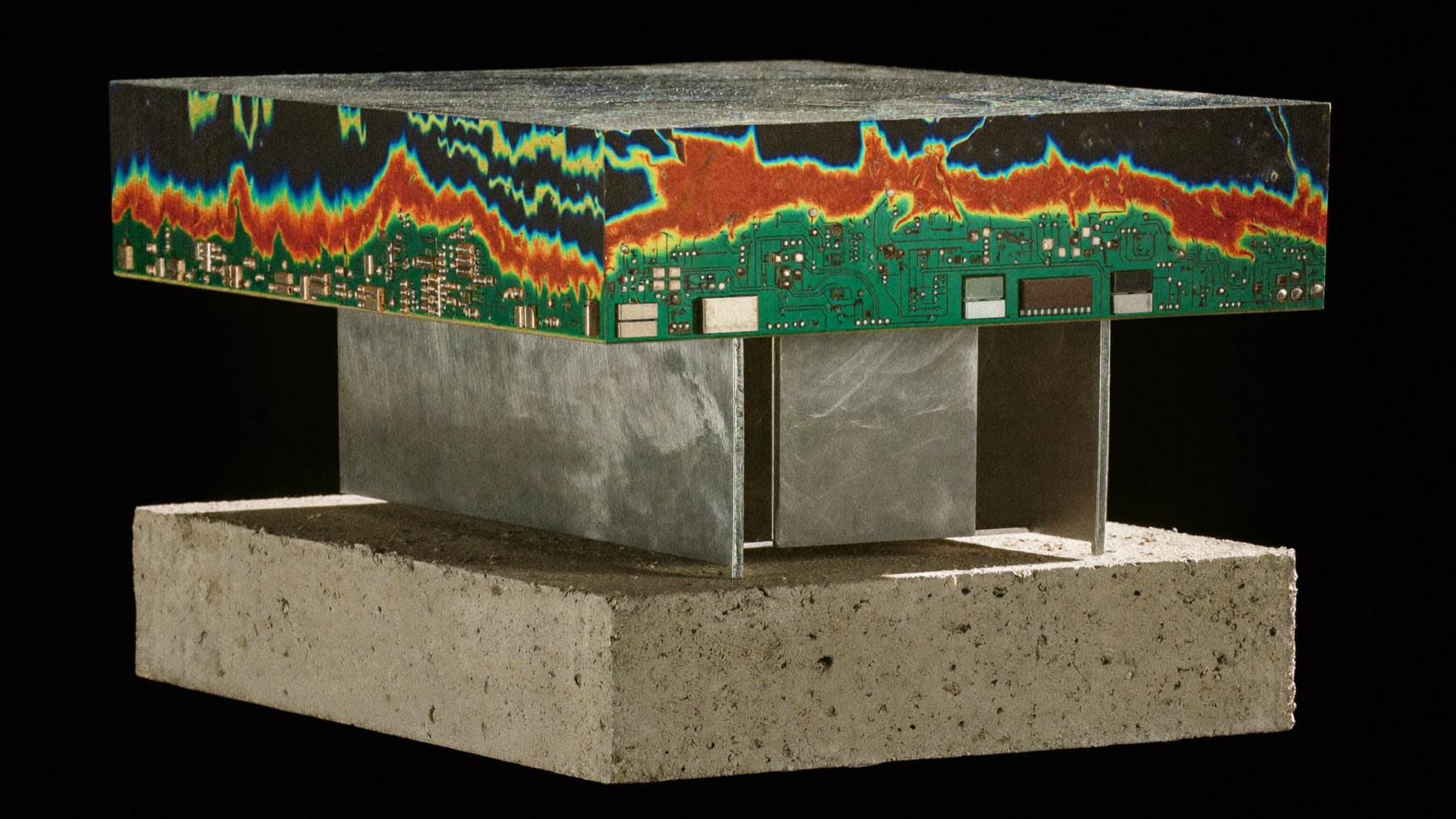
Dall'elettricità all'intelligenza
Sette livelli, ciascuno dipendente da quello sottostante. Ogni livello apre una sezione del database; ogni esempio è un record che puoi aprire.
Electricity is the first input of AI. Gigawatt-scale campuses are signing nuclear offtakes, building gas turbines behind the meter, and waiting years in interconnection queues.
The buildings: shells, substations, chillers and halls engineered around rack densities that have jumped from ~10 kW to 120+ kW per rack.
Accelerators ship inside engineered systems — 8-GPU baseboards, rack-scale NVLink domains, InfiniBand and Ethernet fabrics, direct-to-chip liquid loops.
The chips themselves: leading-edge logic from a handful of foundries, stacked HBM memory, and advanced packaging that has become its own bottleneck.
The layer that turns racks into computers: kernels, compilers, frameworks, schedulers and serving engines — and the moats they create.
What the machines are for: frontier and open-weights models, from GPT and Claude and Gemini to DeepSeek, Llama and Qwen.
Where AI meets users: chat assistants, coding agents, creative tools, scientific systems and robots.
Un chip, tutto lo stack: il caso pratico del B200
Il motore delle relazioni in azione — ogni connessione memorizzata di un record, ciascuna estremità cliccabile. Ogni pagina di record funziona in questo modo.
Le relazioni sono bidirezionali: ciò che un record indica come "prodotto da", l'altro lo indica come "produce".