
了解AI的真实构建方式
跟随这段旅程,从沙子到智能机器:翻阅知识卡片、点击真实服务器机架的各个部分,然后测验自己。无需专业术语——随时开启简单模式。
旅程:从沙子到思考机器
十站旅程。沿着线缆前行——每一站将任务移交给下一站,与真实供应链如出一辙。
 1
停止 1
从沙子开始
Chips start as melted sand, get printed with light beams finer than a virus, and take three months and a thousand steps to finish.
阅读完整报道 →
1
停止 1
从沙子开始
Chips start as melted sand, get printed with light beams finer than a virus, and take three months and a thousand steps to finish.
阅读完整报道 →
 2
停止 2
内存三明治
HBM is super-fast memory stacked like a tiny sandwich right next to the chip, so the AI can read its own brain fast enough to talk.
阅读完整报道 →
2
停止 2
内存三明治
HBM is super-fast memory stacked like a tiny sandwich right next to the chip, so the AI can read its own brain fast enough to talk.
阅读完整报道 →
 3
停止 3
将芯片封装为超级芯片
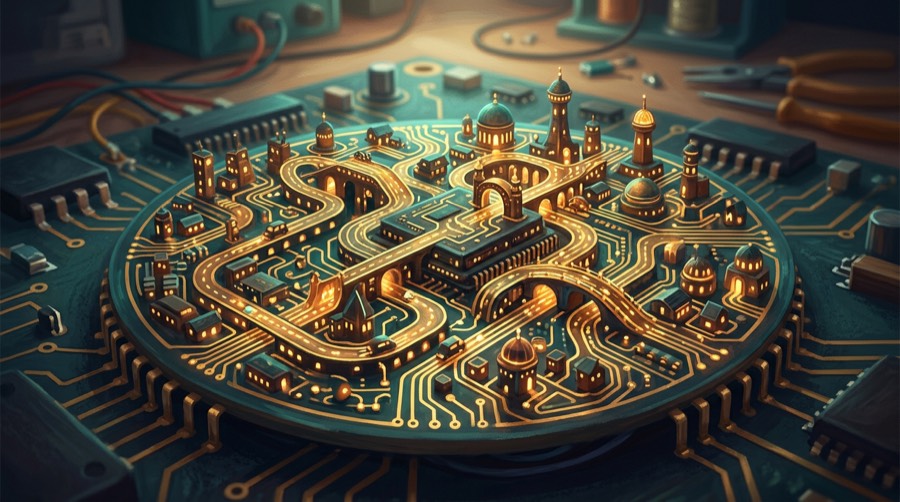
When one chip can't be made any bigger, engineers glue several chips together so perfectly they act like one — that gluing is packaging.
阅读完整报道 →
3
停止 3
将芯片封装为超级芯片
When one chip can't be made any bigger, engineers glue several chips together so perfectly they act like one — that gluing is packaging.
阅读完整报道 →
 4
停止 4
认识GPU
A GPU is a chip with thousands of tiny calculators working at once — it was built to draw video games, and it turned out to be perfect for AI.
阅读完整报道 →
4
停止 4
认识GPU
A GPU is a chip with thousands of tiny calculators working at once — it was built to draw video games, and it turned out to be perfect for AI.
阅读完整报道 →
 5
停止 5
将100,000块互联
One computer isn't enough for AI, so special super-fast cables and switches make 100,000 computers act like a single giant one.
阅读完整报道 →
5
停止 5
将100,000块互联
One computer isn't enough for AI, so special super-fast cables and switches make 100,000 computers act like a single giant one.
阅读完整报道 →
 6
停止 6
保持冷却
New AI chips run so hot that fans can't cool them anymore — so water flows through tiny metal plates bolted right onto the chips.
阅读完整报道 →
6
停止 6
保持冷却
New AI chips run so hot that fans can't cool them anymore — so water flows through tiny metal plates bolted right onto the chips.
阅读完整报道 →
 7
停止 7
输入吉瓦级电力
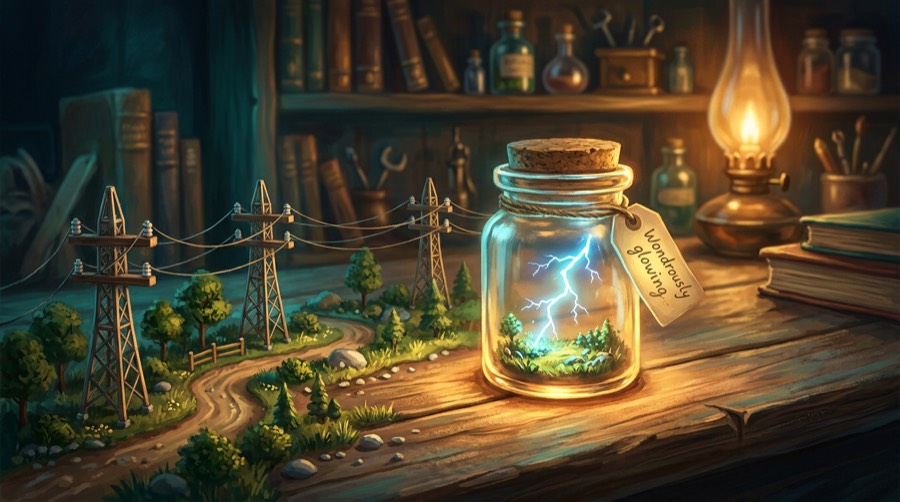
Every AI answer costs electricity, and AI is growing so fast that companies are restarting old power plants just to feed it.
阅读完整报道 →
7
停止 7
输入吉瓦级电力
Every AI answer costs electricity, and AI is growing so fast that companies are restarting old power plants just to feed it.
阅读完整报道 →
 8
停止 8
走进这栋建筑
An AI data center is a giant building full of computer shelves, thick cables, plumbing for coolant, and enough electricity for a whole city.
阅读完整报道 →
8
停止 8
走进这栋建筑
An AI data center is a giant building full of computer shelves, thick cables, plumbing for coolant, and enough electricity for a whole city.
阅读完整报道 →
 9
停止 9
训练机器
Training an AI means showing it trillions of examples for months while thousands of chips slowly tune billions of little dials.
阅读完整报道 →
9
停止 9
训练机器
Training an AI means showing it trillions of examples for months while thousands of chips slowly tune billions of little dials.
阅读完整报道 →
 10
停止 10
向它提问
When you ask AI a question, it writes the answer one word-piece at a time — each piece is a lightning-fast trip through the whole model.
阅读完整报道 →
10
停止 10
向它提问
When you ask AI a question, it writes the answer one word-piece at a time — each piece is a lightning-fast trip through the whole model.
阅读完整报道 →
探索真实机架
这就是AI真正运行的地方。点击发光的圆点,了解每个部件的功能。
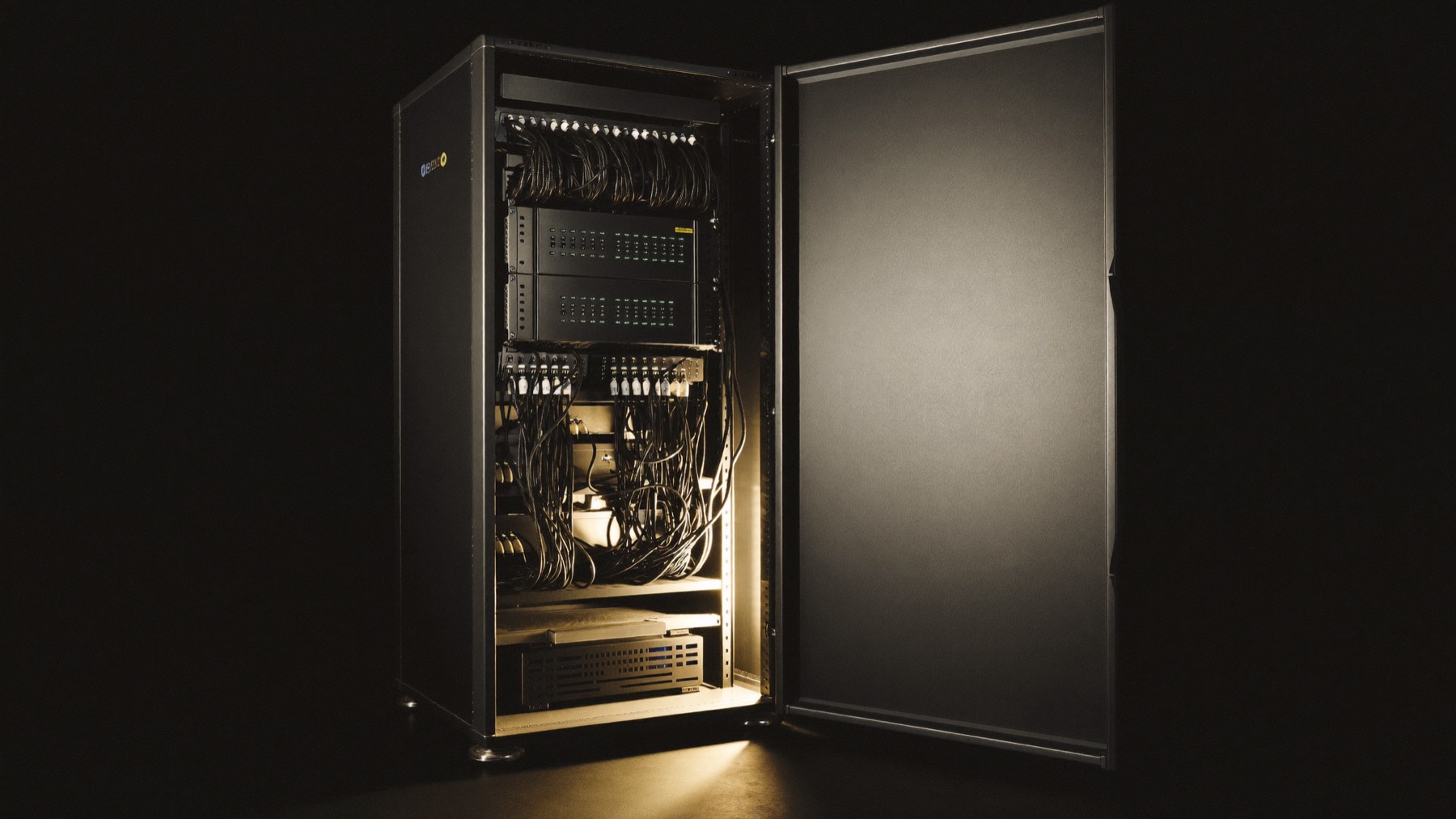
每台机器都通过这些线束通信。在大型AI机架中,数千条铜缆和光纤链路将服务器连为一体。
阅读完整报道 →状态指示灯告诉工程师每台机器运行正常——正是那些在我们主页照片中闪烁的小灯。
阅读完整报道 →交换机将这台机架与数千台其他机架相连,让它们共同处理同一个问题。
阅读完整报道 →电力输入,答案输出。一台现代AI机架的耗电量,相当于约100套住宅。
阅读完整报道 →电源和最重的设备安装在低处——在新一代AI机架中,液冷管路也与它们同处一层。
阅读完整报道 →你知道吗?
点击卡片以翻转。
测试你自己
八道快速问答。没有评分,没有压力——每道题都能让你学到新知识。
完整资料库
25基础
How Modern AI Actually Works
AI is a giant guessing machine: it read almost everything ever written, and now it guesses the next word so well that it can talk, write and code.
Tokens, weights, attention, training and inference — the whole mechanism in one pass, no math required.
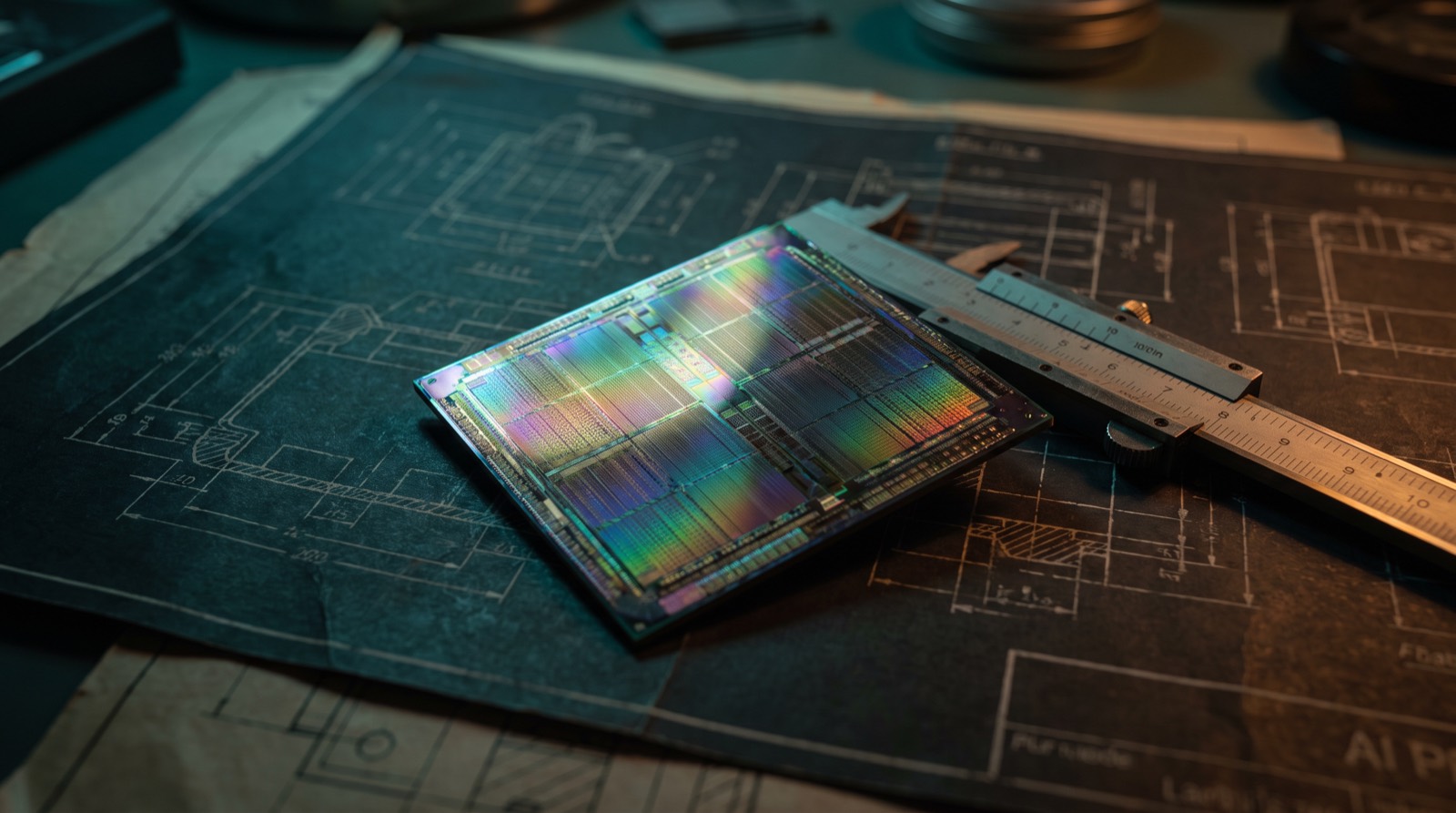
How to Read an AI Chip Spec Sheet
Chip ads throw around huge numbers — this shows you which numbers actually matter, like knowing horsepower from cup holders on a car.
FLOPS, precisions, sparsity footnotes, HBM bandwidth, TDP — what each number means and which ones actually matter.
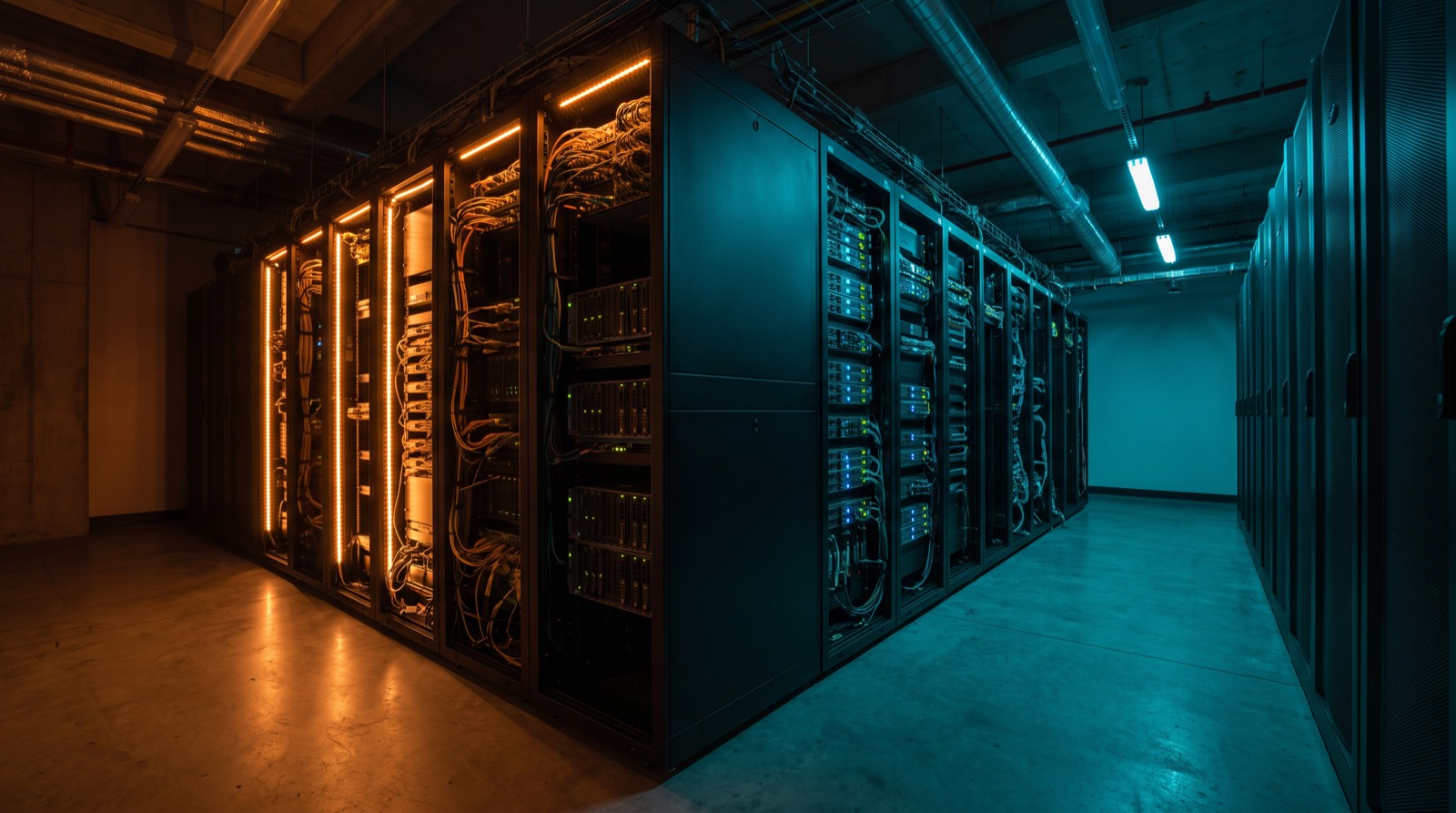
Training vs Inference: The Two Economies of AI
Training is teaching the AI (slow, done once, super expensive); inference is the AI answering you (fast, happens billions of times a day).
One is a moonshot project, the other is a utility bill — and inference now dominates the buildout.
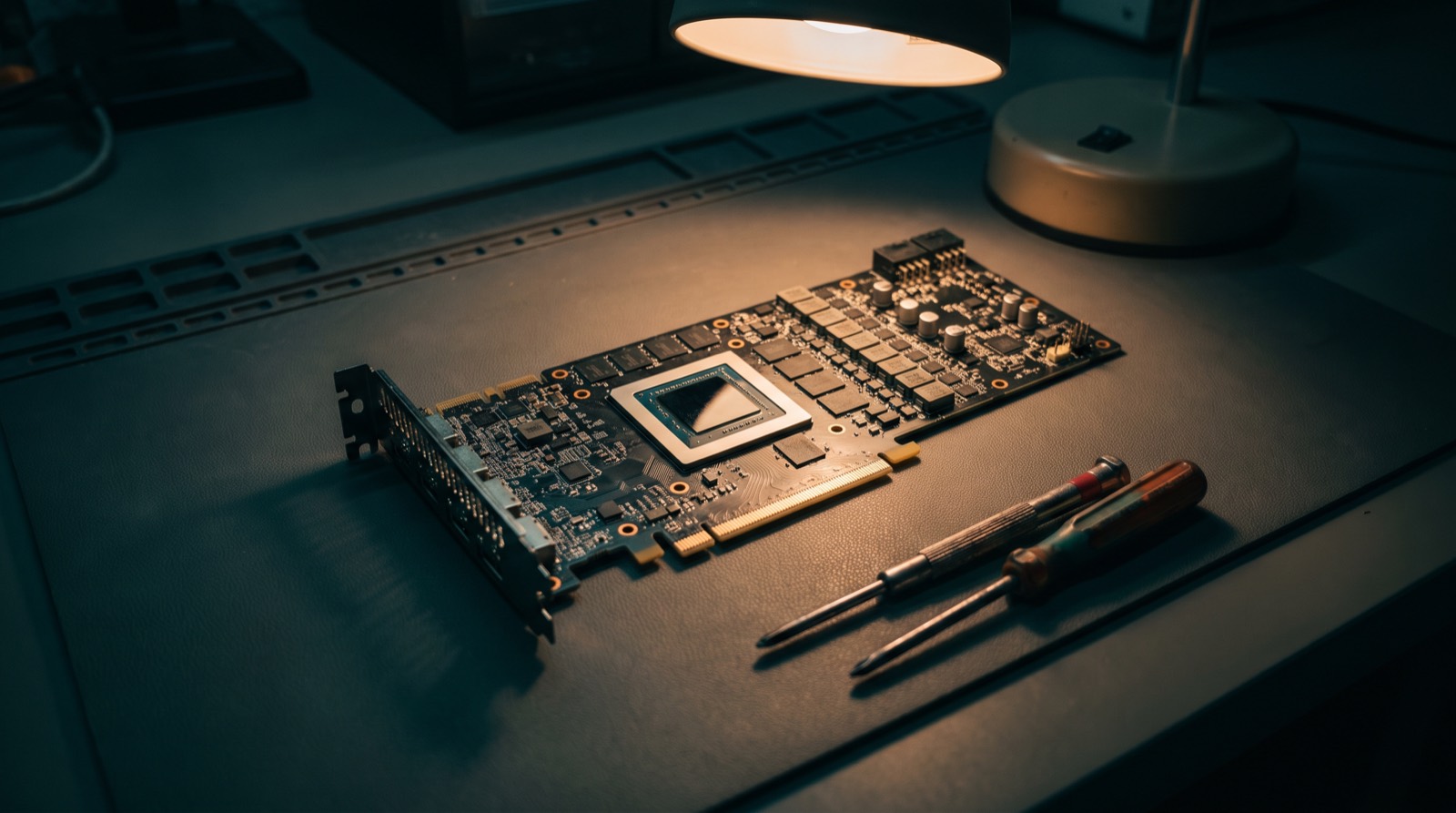
GPU, TPU, ASIC: What's Actually Different?
A GPU is a chip with thousands of tiny calculators working at once — it was built to draw video games, and it turned out to be perfect for AI.
Why graphics chips run AI, what the custom-silicon crowd changes, and the spectrum from flexible to frozen.
硅
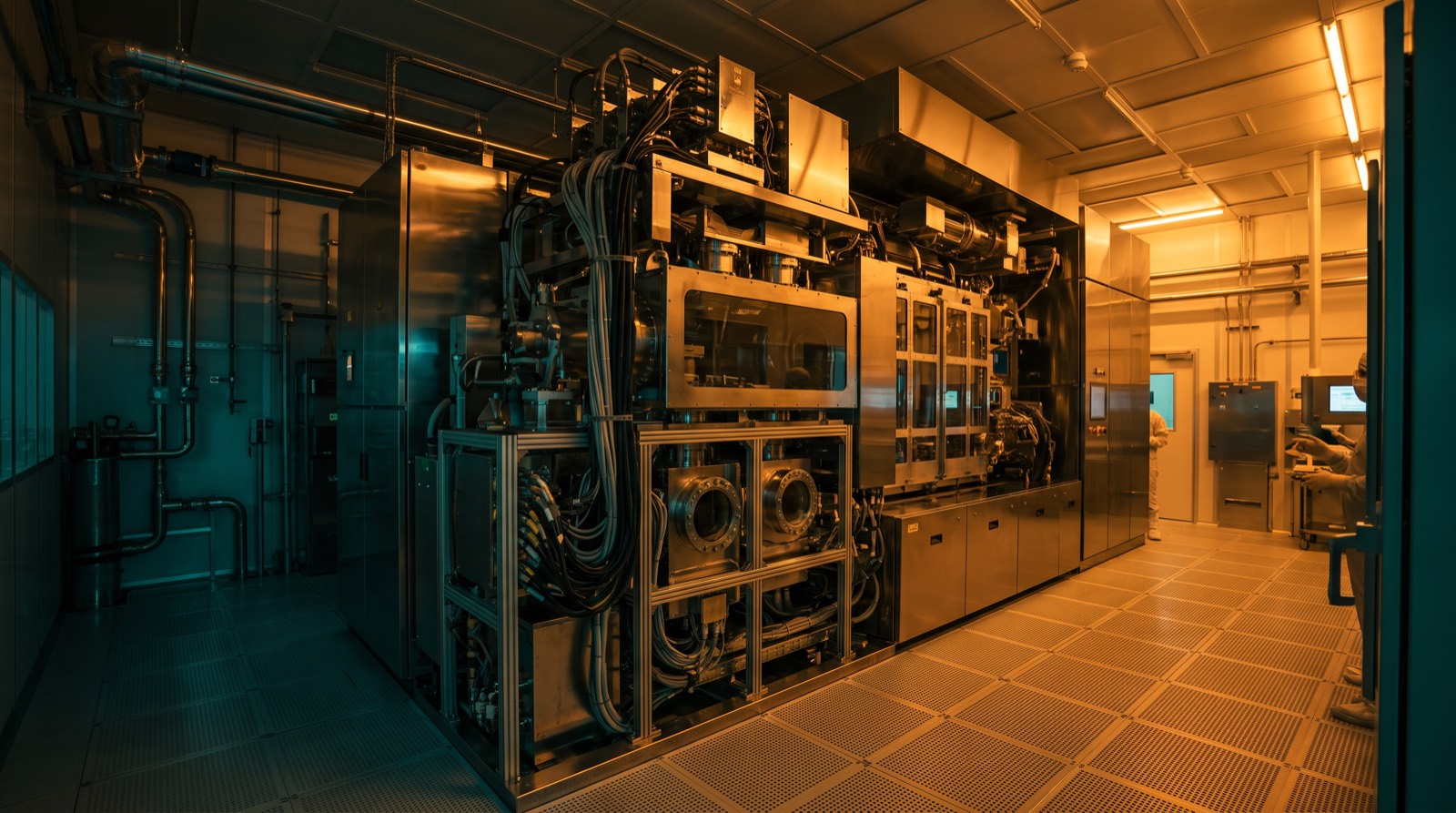
From Sand to Superchip: How AI Chips Are Made
Chips start as melted sand, get printed with light beams finer than a virus, and take three months and a thousand steps to finish.
The 1,000-step journey through a fab — wafers, EUV light, yield, and why only one company can make the machines.
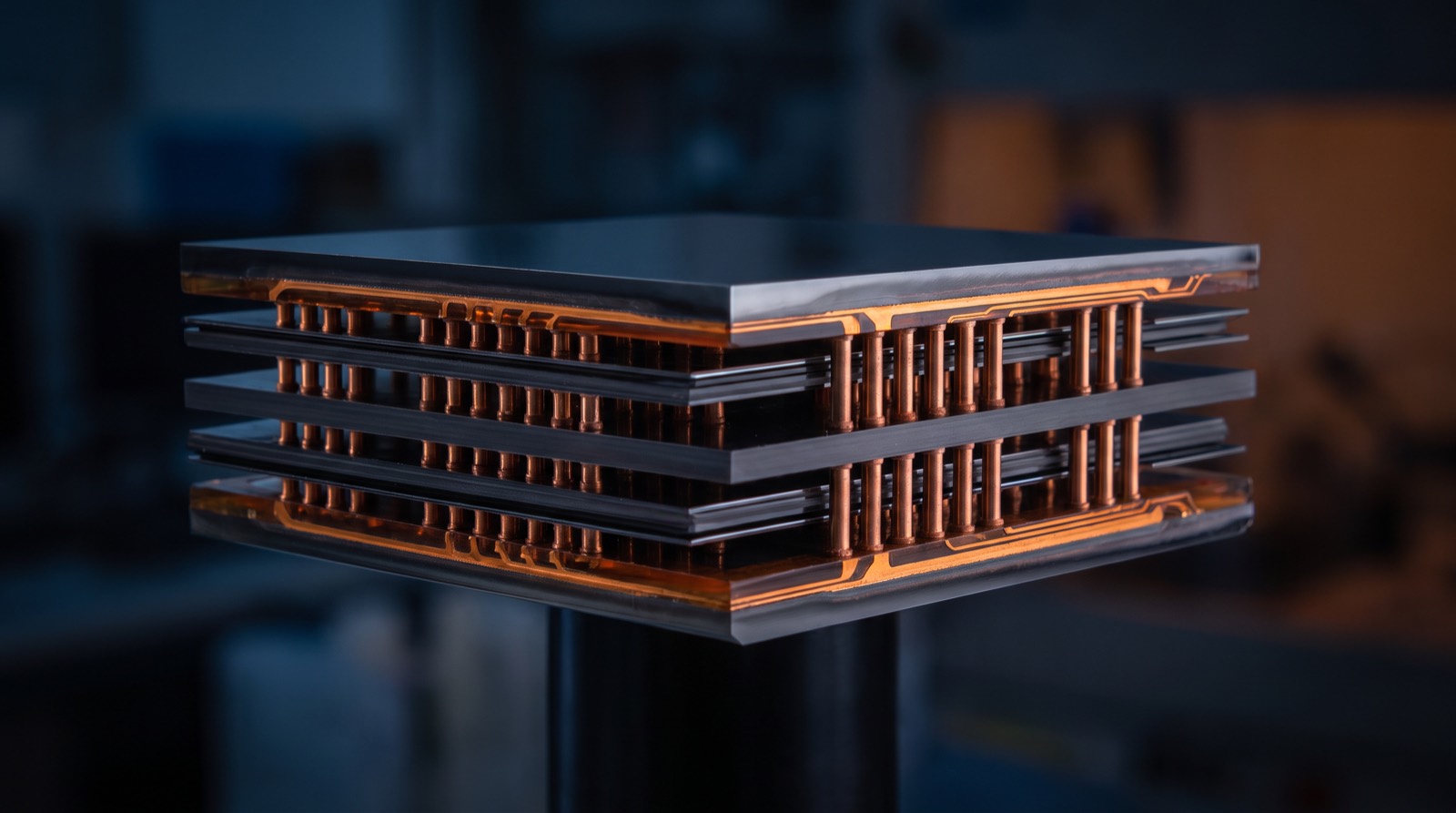
HBM: The Memory That Rations AI
HBM is super-fast memory stacked like a tiny sandwich right next to the chip, so the AI can read its own brain fast enough to talk.
Why stacked memory decides GPU roadmaps, who makes it, and what HBM4 changes.
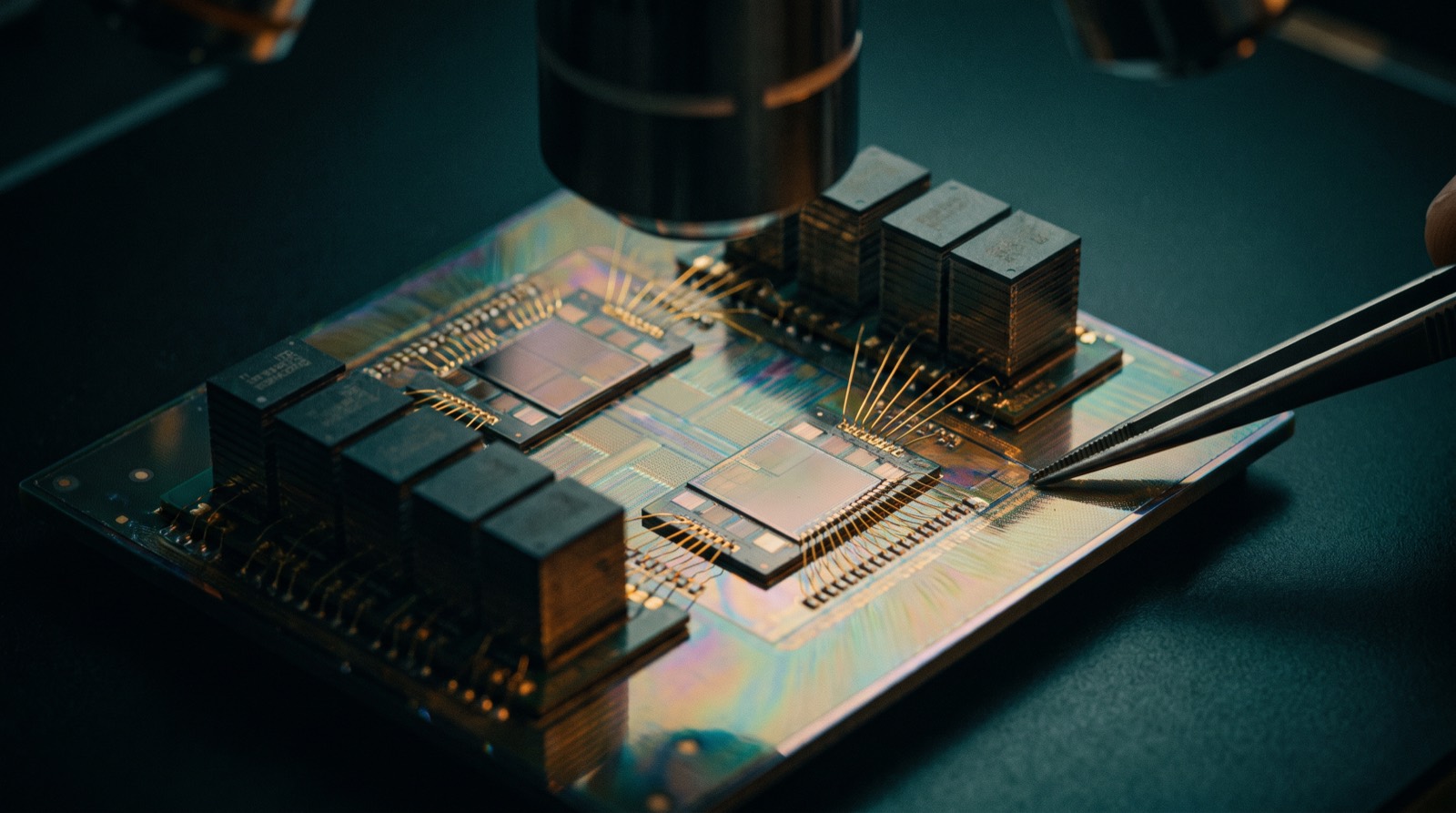
Advanced Packaging: The Bottleneck After the Fab
When one chip can't be made any bigger, engineers glue several chips together so perfectly they act like one — that gluing is packaging.
CoWoS, chiplets and 3D stacking — why assembling chips became as strategic as printing them.
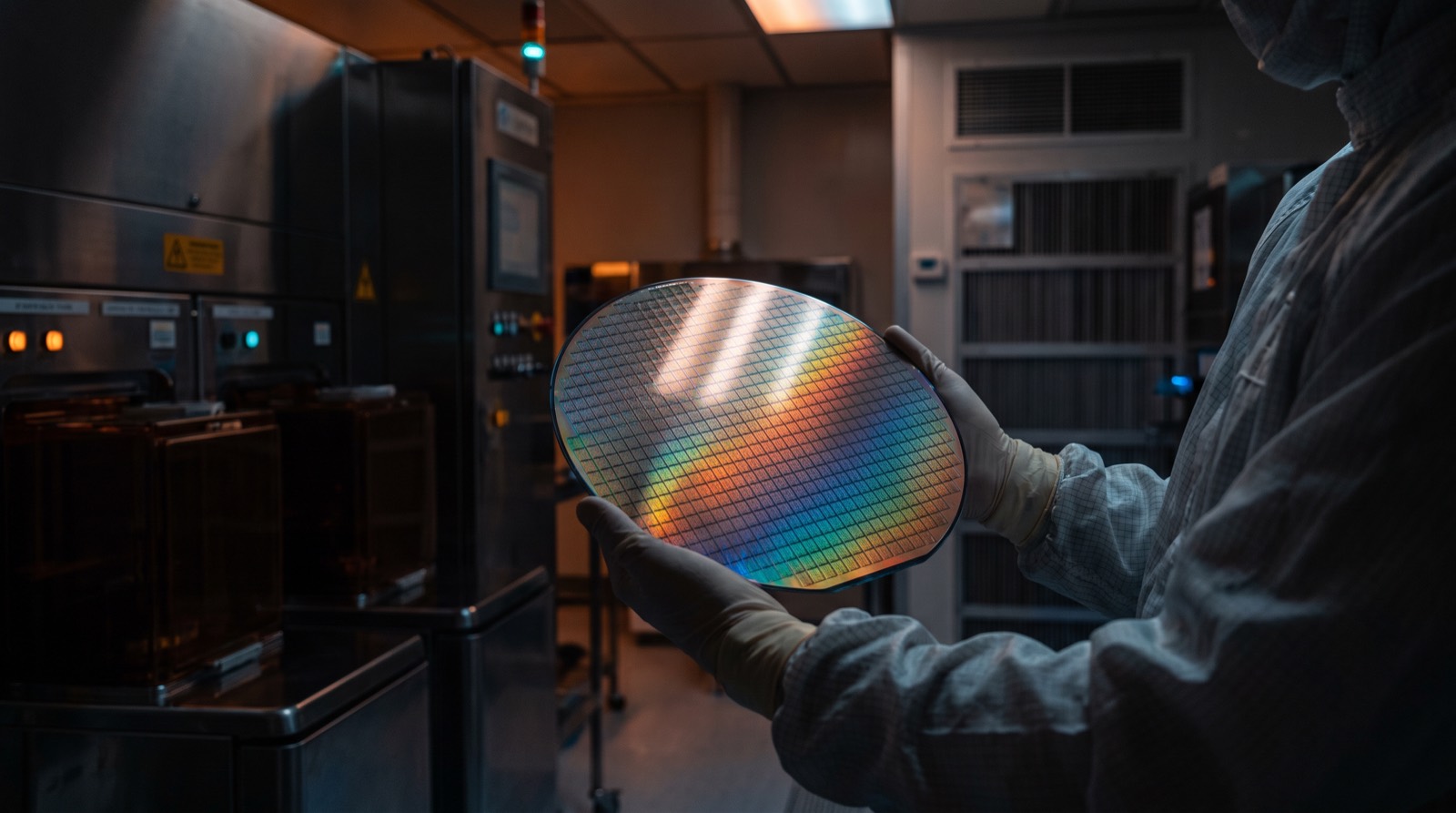
What '3 Nanometers' Actually Means
'3 nanometers' is chip-speak for 'newest and tiniest' — smaller parts mean faster chips that sip less power.
Node names are marketing, density is real, and the roadmap through 2 nm and 18A decides the 2027 chip race.
系统与设施
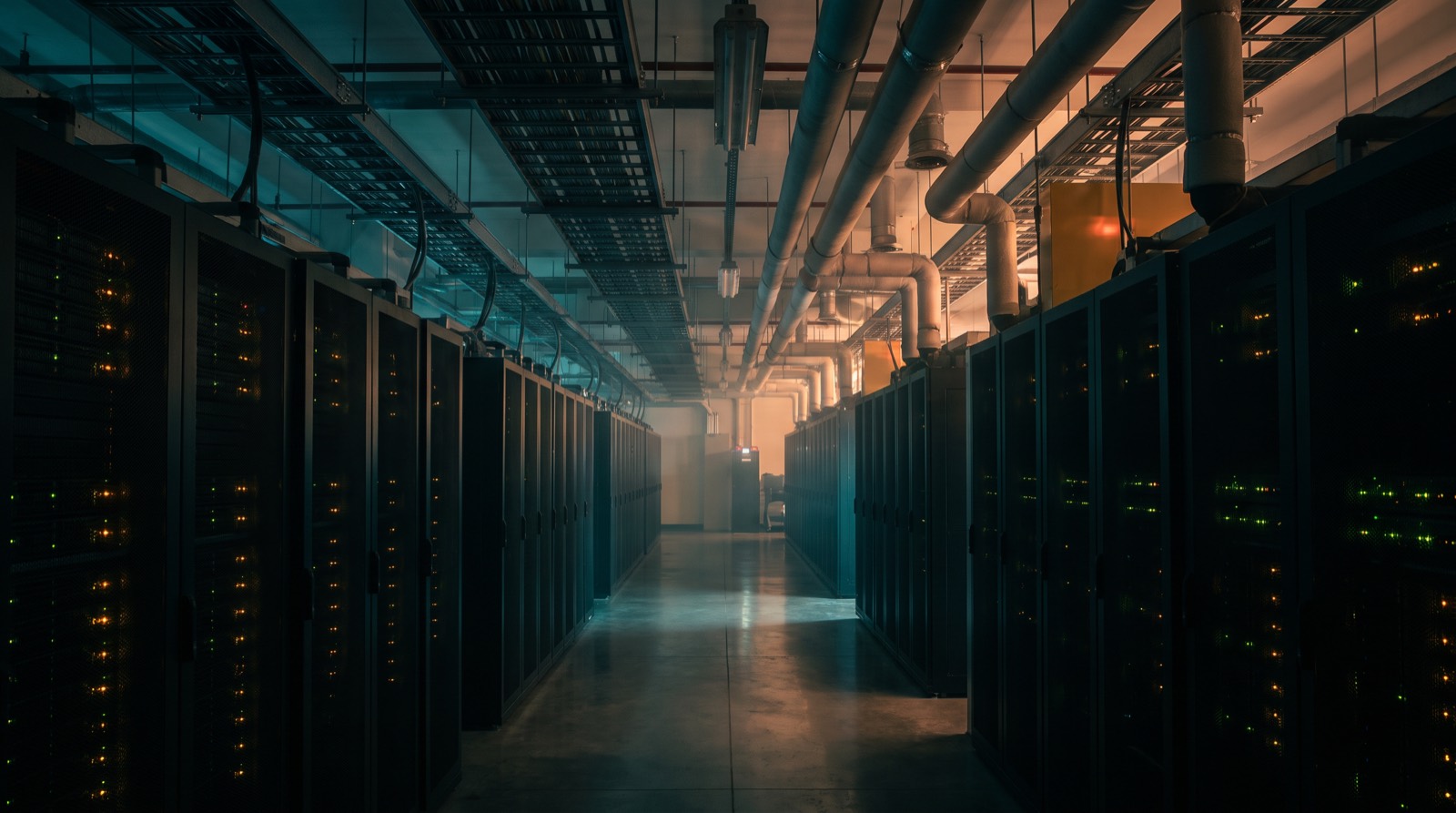
Inside an AI Data Center
An AI data center is a giant building full of computer shelves, thick cables, plumbing for coolant, and enough electricity for a whole city.
A guided tour from the substation to the GPU tray — what's physically inside a modern AI campus.

Where Data Centers Go (and Why)
Data centers get built where there's lots of power, water or cooling, and fast internet lines — learn the clues and you can guess where the next one goes.
Read a map like a data-center scout: water, power corridors, fiber, climate and the tells that predict the next AI campus.
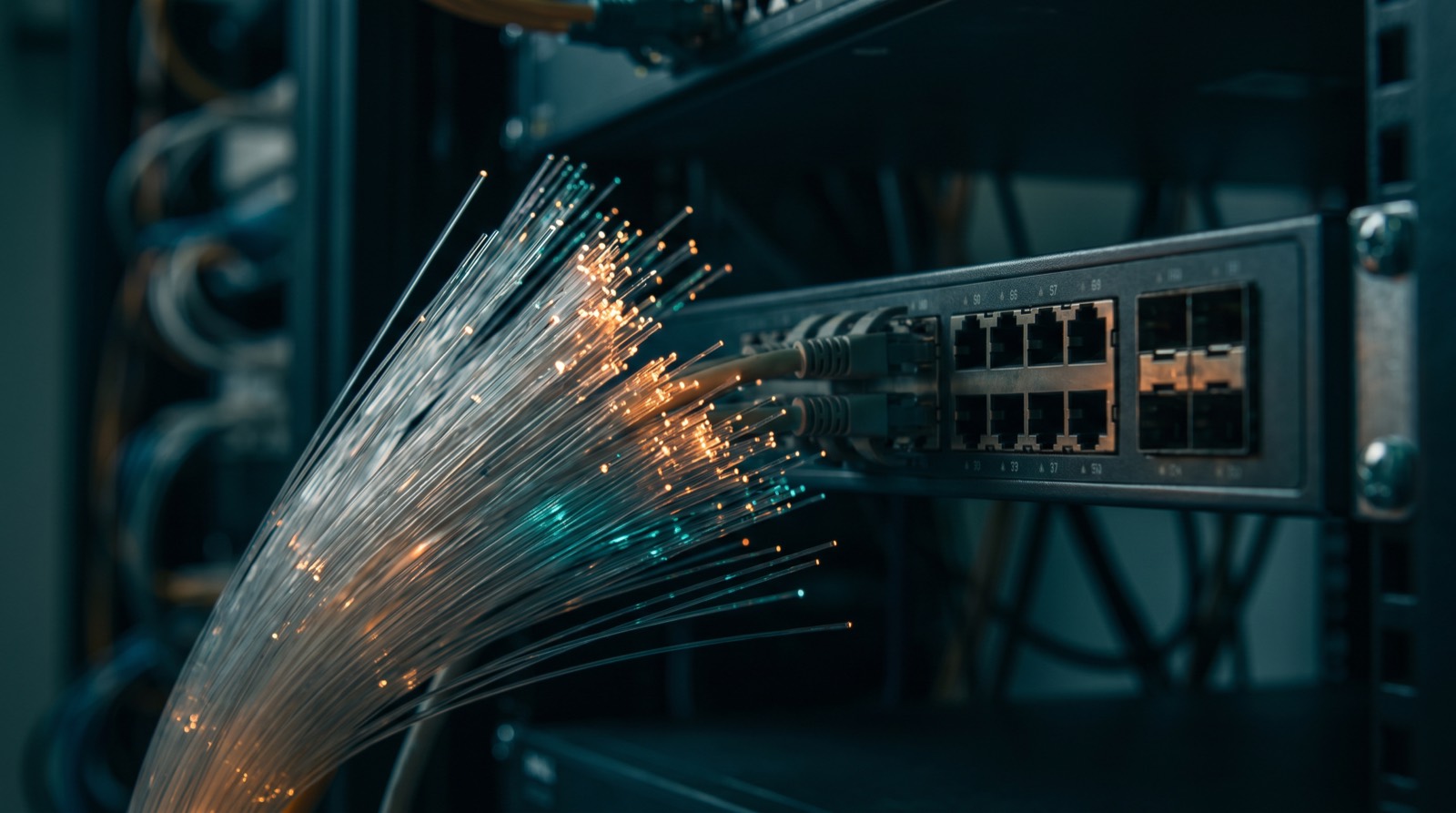
Networks: How 100,000 GPUs Become One Computer
One computer isn't enough for AI, so special super-fast cables and switches make 100,000 computers act like a single giant one.
Scale-up vs scale-out, InfiniBand vs Ethernet, and why optics are eating the cluster budget.
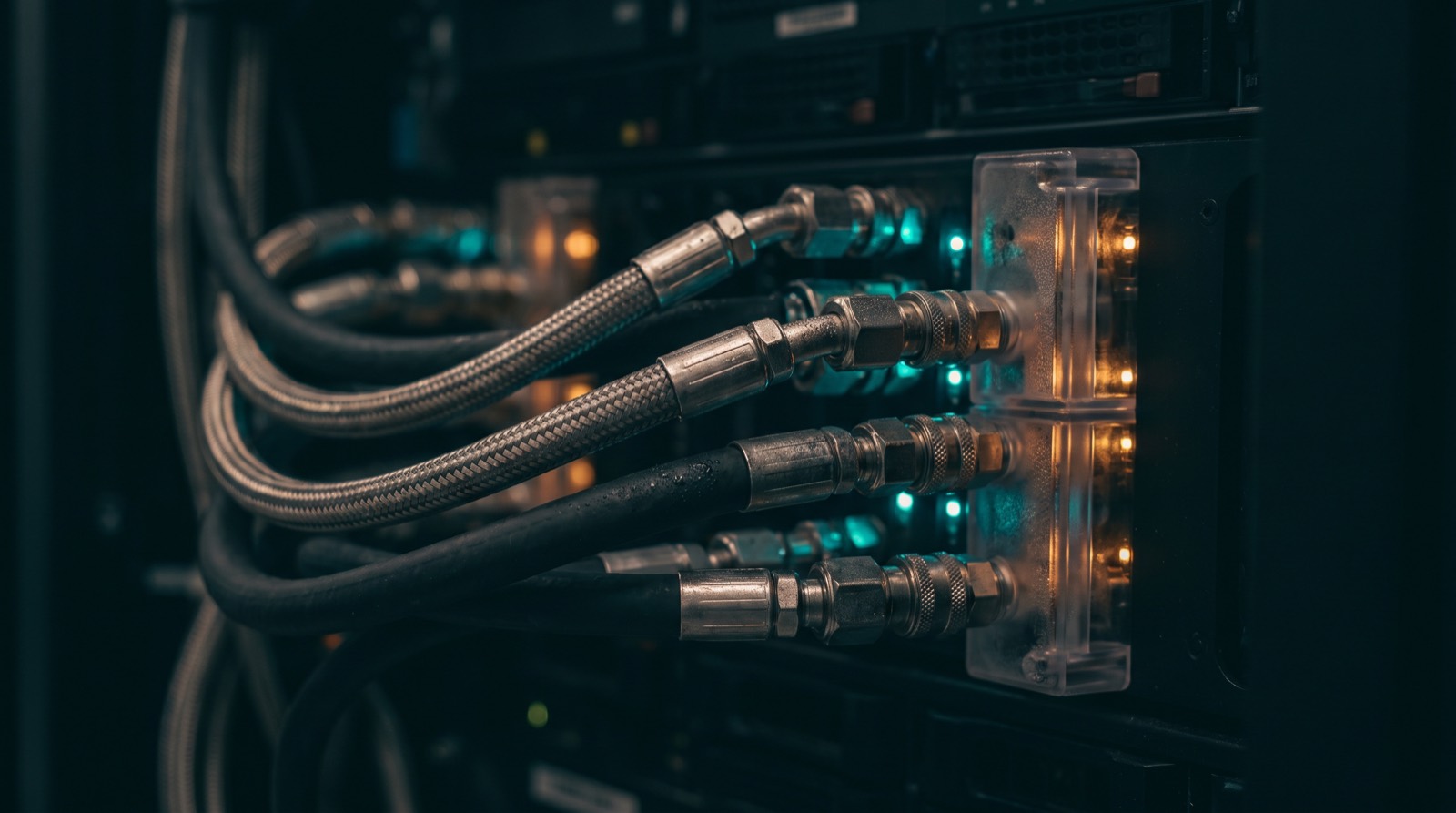
Liquid Cooling: Why AI Got Wet
New AI chips run so hot that fans can't cool them anymore — so water flows through tiny metal plates bolted right onto the chips.
From fans to cold plates to immersion — the thermal transition that rebuilt the data-center industry.
Neoclouds: The GPU Landlords
Neoclouds are companies that buy mountains of AI chips and rent them out by the hour, like a car-rental lot for supercomputers.
CoreWeave, Lambda, Nebius, Crusoe — how GPU-only clouds rose, and the debt-and-contracts machine underneath.
电力
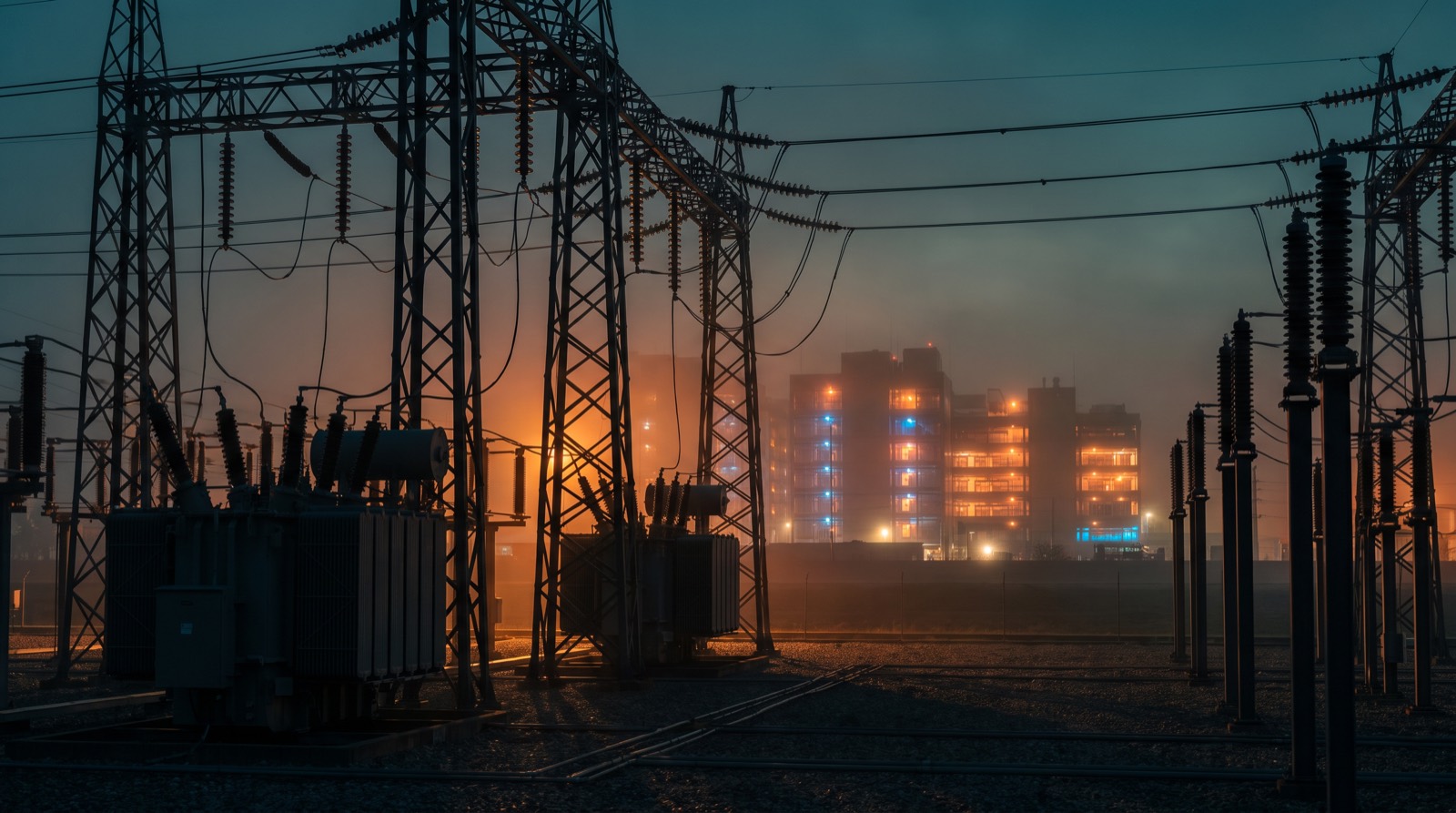
The Power Problem
Every AI answer costs electricity, and AI is growing so fast that companies are restarting old power plants just to feed it.
How AI met the grid: real demand numbers, the bottlenecks that actually bind, and what's being built about it.
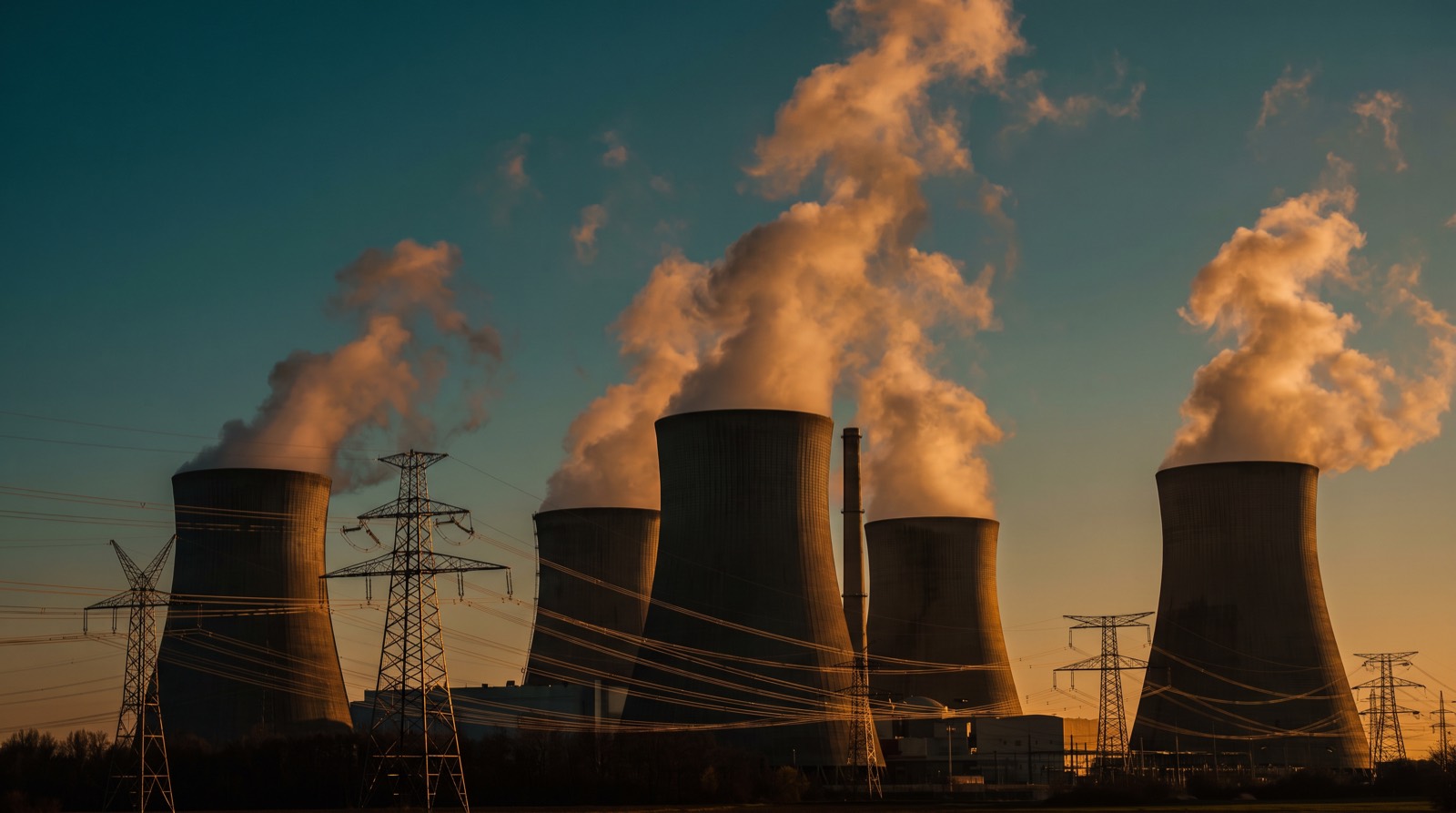
The Nuclear Revival
AI companies need steady power day and night, so they're paying to switch old nuclear plants back on and order new mini-reactors.
Restarts, 20-year PPAs and SMR fleets — what AI money is actually doing to nuclear power, deal by deal.
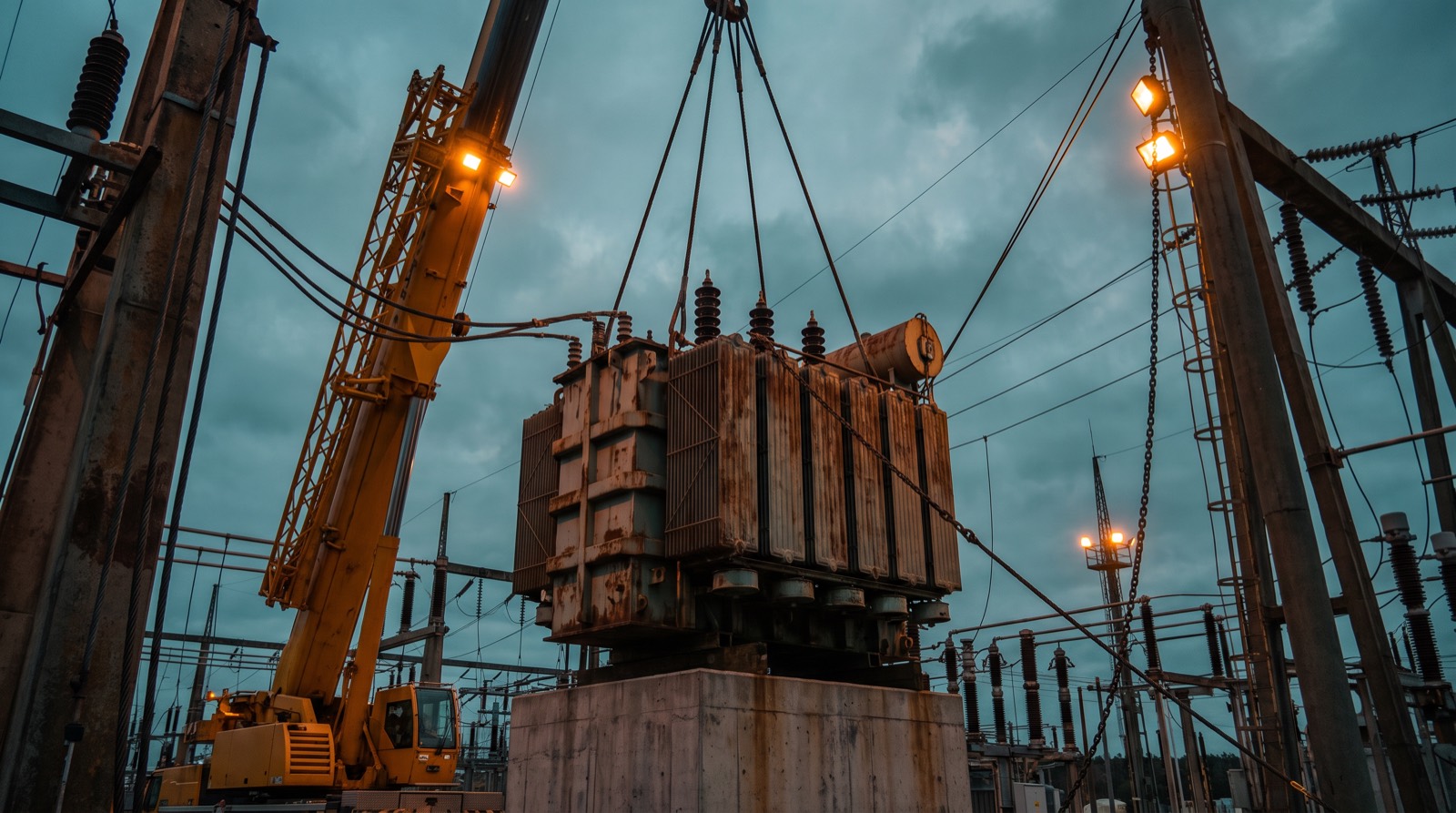
Interconnection: The Longest Queue in Tech
Building the data center is the easy part — waiting in line to plug it into the power grid can take years longer.
Why plugging in takes longer than building — transformers, studies, and the megawatts stuck in line.
模型与软件
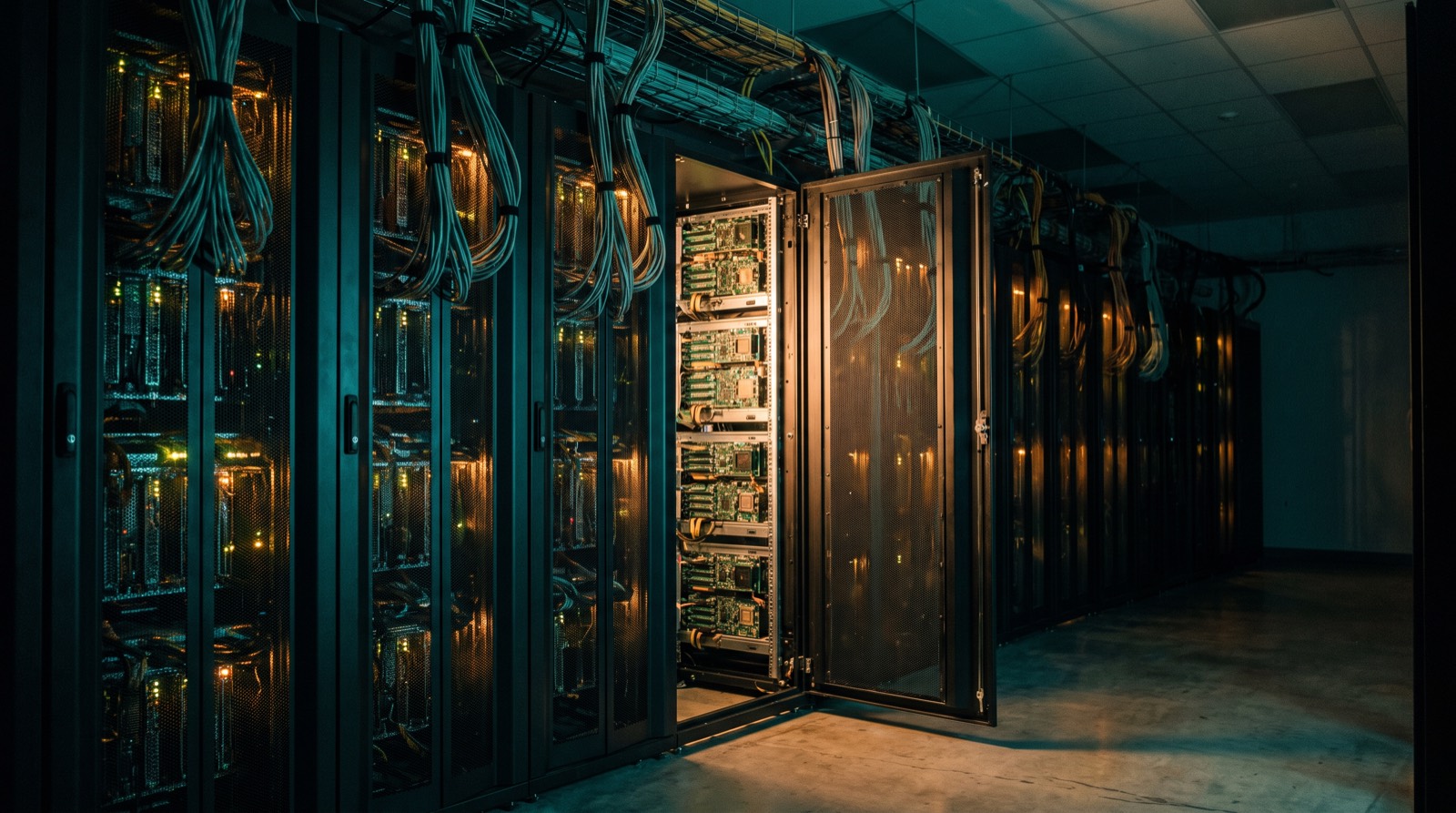
How a Frontier Model Gets Trained
Training an AI means showing it trillions of examples for months while thousands of chips slowly tune billions of little dials.
Data pipelines, parallelism, failures at 3 a.m. — the industrial reality of a training run.
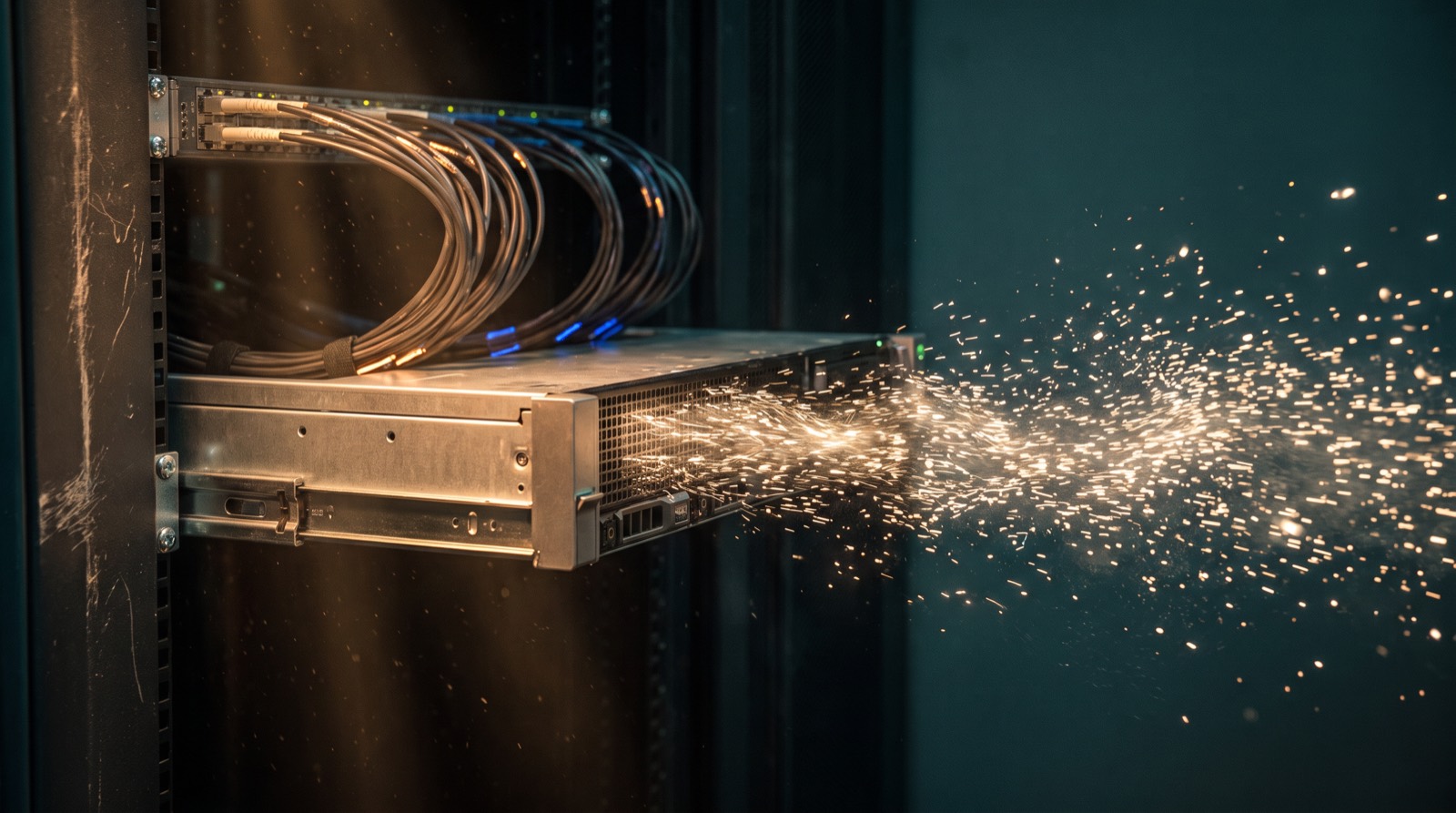
What Happens When You Hit Enter
When you ask AI a question, it writes the answer one word-piece at a time — each piece is a lightning-fast trip through the whole model.
Prefill, KV cache, batching, speculative decoding — the machinery behind every chat reply.

The CUDA Moat, Explained
CUDA is NVIDIA's special language for talking to its chips — everyone's code is written in it, which is why switching away from NVIDIA is so hard.
Why NVIDIA's real fortress is software — and every credible attempt to tunnel under it.
Open vs Closed: The War Over Weights
Some AIs are like published recipes anyone can copy and change (open); others are secret recipes you can only order from the restaurant (closed).
Llama, DeepSeek and Qwen versus the API labs — strategy, safety and who profits from free models.

Reasoning Models and the Test-Time Era
Newer AIs learned to think before answering — they scribble invisible scratch-work first, and harder questions get more scratch-work.
The 2024–25 capability jump: RL on verifiable rewards, thinking tokens, and the hardware bill for both.
行业与前景
The Full Supply Chain, Sand to Intelligence
One AI chip needs sand from one place, machines from another, memory from Korea and assembly in Taiwan — a world tour before it computes anything.
Every layer, every chokepoint, one map — the article version of this database's home page.

The Listed AI-Infrastructure Universe
This maps which companies sell the picks and shovels of the AI gold rush — for learning how the money flows, never as advice on what to buy.
How public markets slice the stack — segments, bellwethers and the honest uncertainties. Research only, never advice.

The Chip War, in Plain English
Countries now treat AI chips like superweapons: America limits which chips China can buy, and that one rule reshapes the whole industry.
What the US export controls actually restrict, how China adapted, and how to read each new round.
2030 and Beyond: Scenarios, Not Prophecies
Nobody knows when computers might match humans at most thinking jobs — this collects what the experts actually predict, with names and dates attached.
What the stack looks like in 2030 under each named scenario — and what would falsify each one.
纯教育内容——用于研究,非投资建议。每篇解读均链接至数据库,您可核查每项论断背后的真实记录。