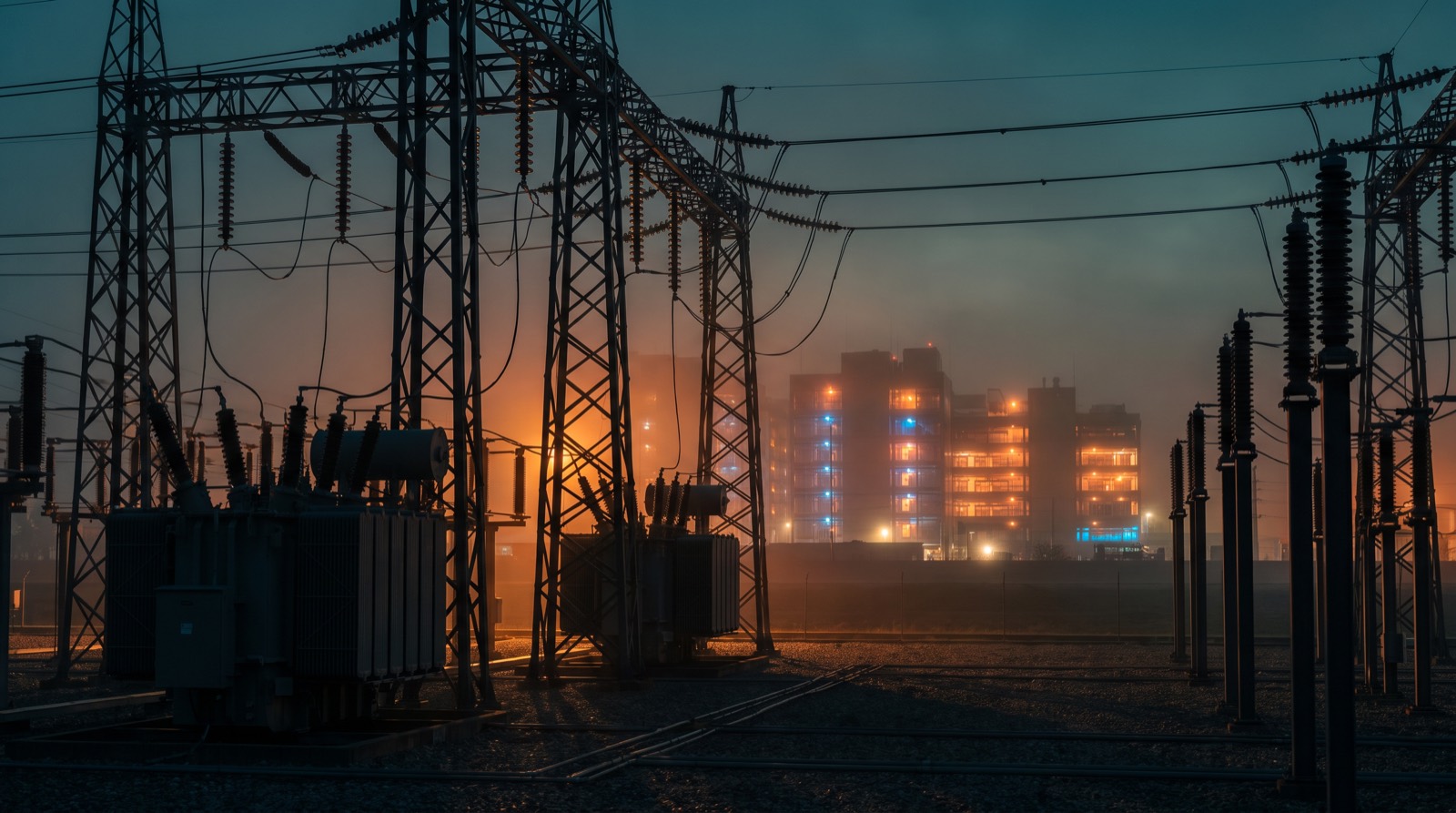
You can erect an AI data hall in under a year. Getting permission — and equipment — to plug it into the grid can take three to seven. That gap explains half the strange behavior in this database.
How connection actually works
A campus requesting hundreds of megawatts triggers utility interconnection studies: will the regional grid stay stable, what new lines and substations are needed, who pays. Queues run first-come-first-studied; ERCOT and PJM report data-center requests in the hundreds of gigawatts — several times any plausible build, because developers file speculatively at multiple sites ('phantom load'), which clogs the study process further. Texas's 2025 legislation (SB6) began adding teeth: deposits, kill switches for emergencies, and rules to flush phantom requests.
The equipment wall
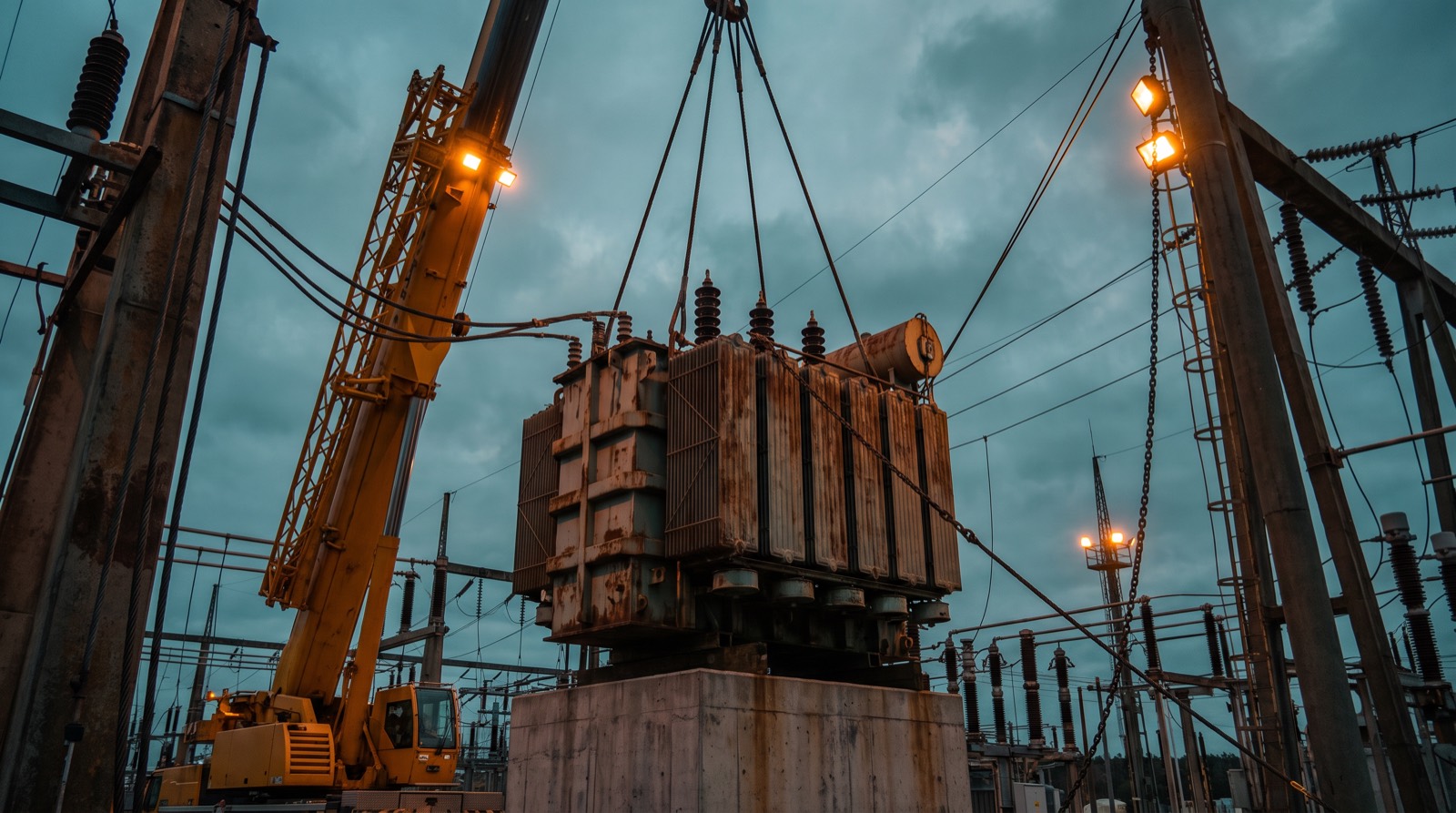
Even approved projects wait on iron. Large power transformers: multi-year lead times, a concentrated supplier base (Hitachi Energy, Siemens Energy) now expanding capacity with US factories. High-voltage switchgear and breakers: similar story. This unglamorous hardware — not GPUs — is routinely the critical path on gigawatt campuses.
The workarounds you now recognize
Everything in The Power Problem follows from this queue: on-site turbines while waiting (Memphis), buying plants with connections already built (the Homer City coal-site model — the grid tie is the asset), co-locating at reactors (Susquehanna), and siting in places with spare headroom — which is how rural Louisiana, Indiana and North Dakota became AI geography.
Why it matters to readers here
When a company announces a '5 GW campus,' the honest question is not the buildings — it is the interconnection position, the transformer slots, and the generation deal. Our facility records list power sources for exactly that reason.