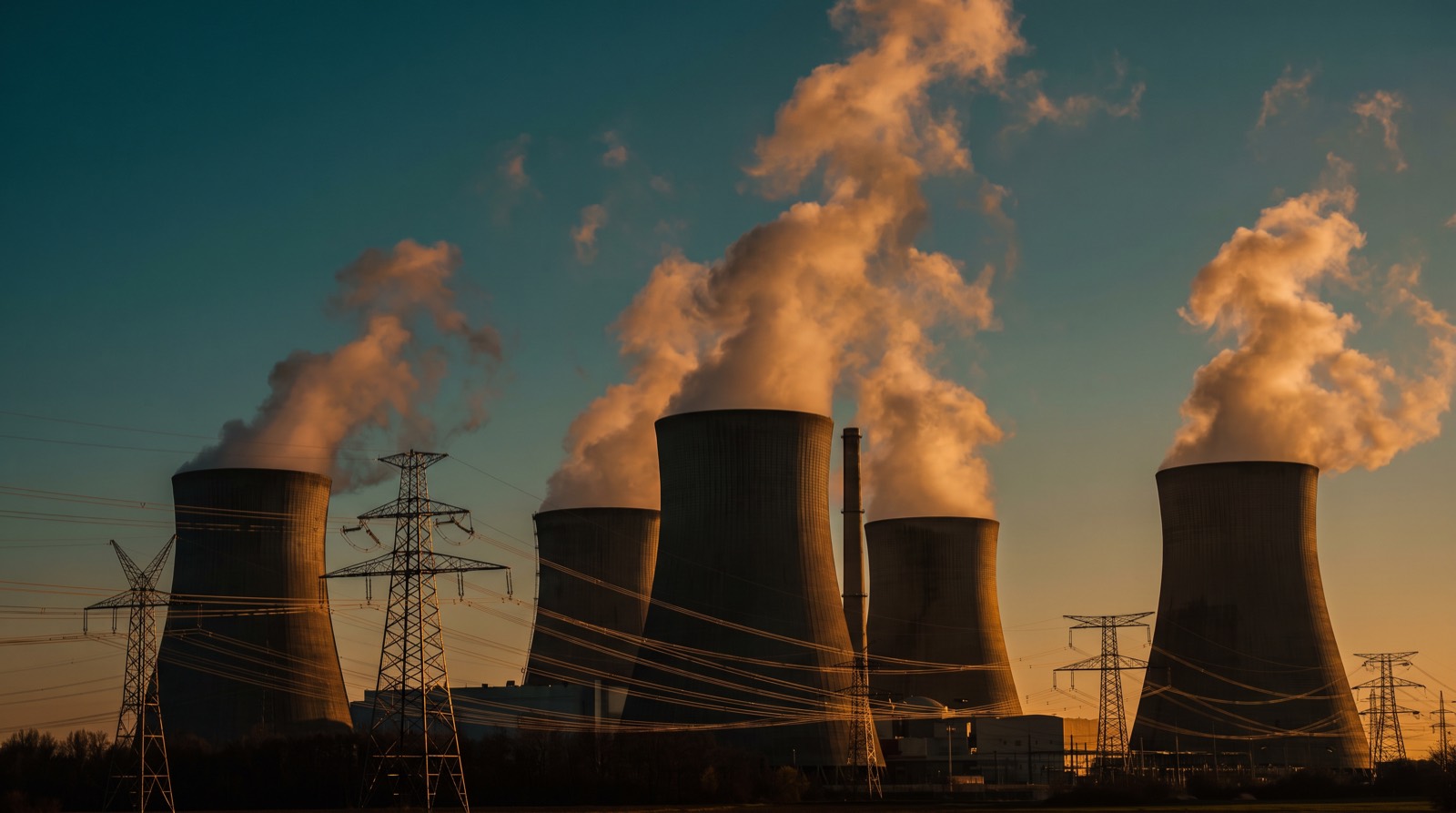
Every abstraction in AI bottoms out in electrons. The industry's constraint has shifted — chips in 2023, now increasingly the watts behind them. 'Speed to power' replaced 'GPU allocation' as the sector's scarcest commodity.
The honest numbers
Global data centers consumed roughly 415 TWh in 2024 — about 1.5% of world electricity (IEA estimate), with the IEA's base case near 945 TWh by 2030, AI the dominant driver. In the US, data centers were ~4% of power demand in 2024 with credible projections toward 7–12% by 2030 — the first real load growth American utilities have planned for in twenty years. A single frontier campus now asks for what a mid-size city draws: Hyperion's announced 5 GW is five large reactors' worth. (All projections carry wide bands — see Trends for sources.)
Where it actually binds
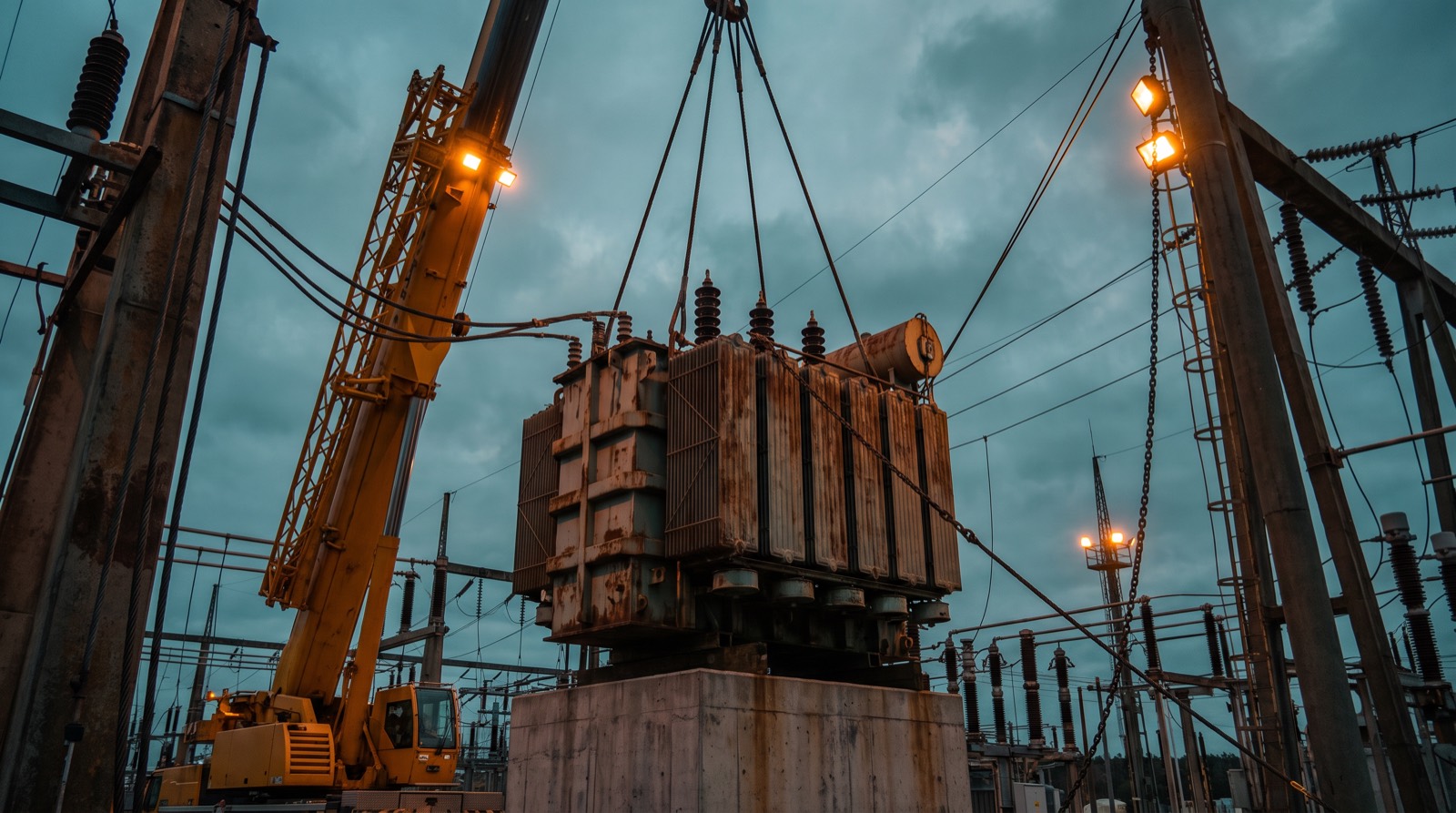
Generation fuel is not the bottleneck; connection is. Interconnection queues in ERCOT and PJM hold hundreds of gigawatts of requested data-center load, studies take years, and the equipment is worse: large transformers quote 3–5-year lead times, and heavy gas turbines are sold out into the 2029+ window at GE Vernova, Siemens Energy and Mitsubishi. Hence the era's signature move: bring your own power.
The build-around strategies
Behind-the-meter gas: turbines at the fence line (Colossus, Homer City's 4.5 GW plan). Nuclear money: restarts and PPAs — see the nuclear revival. Renewables + storage: the fastest megawatts in Texas, with hyperscalers the biggest corporate buyers. Fuel cells (Bloom) where combustion permits lag. And load flexibility — pausing training during grid peaks — which studies suggest could unlock existing headroom without new iron.
Efficiency won't save you (alone)
Chips improve perf-per-watt ~25–40% per generation and PUE approaches 1.1 — yet totals keep climbing, because demand elasticity eats the gains (Jevons). The IEA's scenarios differ by hundreds of TWh on exactly this question. Grid operators now plan for the high case; so should readers of this database — while remembering it is a scenario, not a fact.
The politics arriving with the load
Who pays for grid upgrades (the AEP Ohio tariff fights), local air permits (Memphis), water optics, and rising retail rates in data-center regions — the social license questions are now part of the engineering. Records here flag them site by site.
 8
8