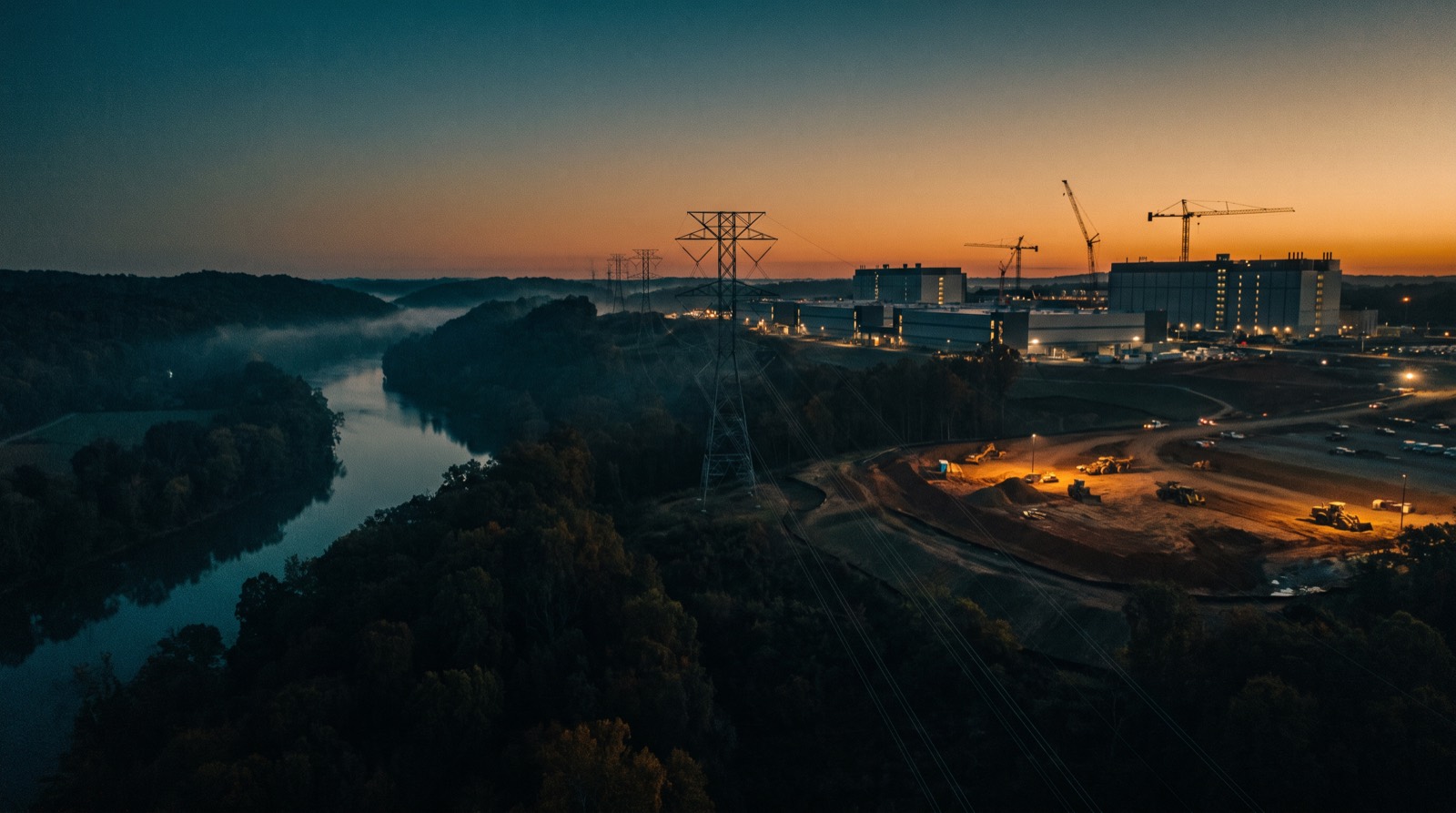
A new class of company sits between the chipmakers and the AI labs: the neocloud — a cloud that sells essentially one product, GPU hours, and builds everything else around that.
Why they exist
When H100s were scarce, hyperscale clouds rationed capacity toward their own priorities. The neoclouds' pitch: we deploy the newest NVIDIA hardware first, bare-metal, with Kubernetes-native scheduling, at 30–70% below hyperscaler list prices — because we carry no legacy fleet and buy exactly one architecture. CoreWeave (crypto-mining roots), Lambda (researcher hardware roots) and Crusoe (energy roots) each arrived at the same model from different directions; Nebius brought it from ex-Yandex engineering.
The financial machine
The model runs on contracts-as-collateral: sign a multi-year committed contract with a credit worthy buyer (Microsoft, OpenAI, Meta), then borrow billions against it — often with the GPUs themselves as security — to buy the hardware. CoreWeave pioneered GPU-backed debt at scale and listed in March 2025. The bear case writes itself: customer concentration, GPU depreciation against a fast roadmap, and NVIDIA's habit of investing in its own customers (the circularity debate). The bull case is 2025's tape: Microsoft alone signed reported multi-billion deals with CoreWeave, Nebius, Lambda and IREN because even $90B of its own capex wasn't enough.
Variants on the theme
Bitcoin miners pivoted their powered sites into the sector (IREN, Applied Digital) — the asset that mattered was the grid connection, not the ASICs. Sovereign neoclouds (G42, Humain) buy the same racks for national stacks. And inference specialists ( Together, Groq's GroqCloud) sell tokens rather than hours — one abstraction higher.
What to watch
Contract durations versus hardware depreciation; whether hyperscalers keep outsourcing once their own campuses land; and utilization data as it becomes public. The neocloud experiment is the market's live test of whether GPUs are infrastructure — or inventory.